

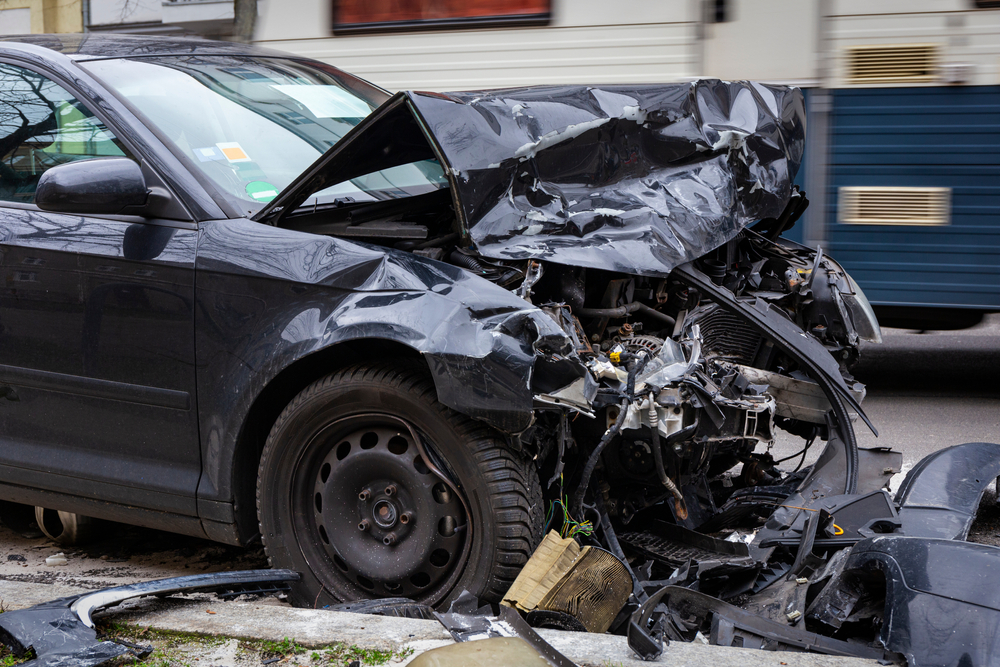
If you’ve financed your vehicle and it’s declared a total loss after an accident, things can get complicated quickly. In Ontario, a car is considered “totaled” when repair costs exceed its actual cash value (ACV). Your insurer will typically pay the ACV (minus your deductible) directly to your lender because they have a financial interest in the vehicle.
However, this payout may not cover your entire loan balance. For example, if your car is worth $10,000 but you owe $12,000, you’ll still be responsible for the $2,000 shortfall. This is where gap insurance becomes important. Gap coverage bridges the difference between your loan amount and the insurer’s payout, preventing you from paying out-of-pocket for a car you no longer own.
Beyond the financial aspect, remember that Ontario’s no-fault system provides accident benefits through your own insurer, regardless of fault. If you’ve suffered serious injuries, you may also have the right to pursue a claim for pain and suffering and other damages.
Don’t navigate this alone. Automobile accident law in Ontario is extremely complicated, and JRJ LAW is here to help you understand your rights and guide you through every step. Contact JRJ LAW today at 1 (844) DIAL JRJ for a free consultation—our experienced team will protect your interests and help you move forward.