

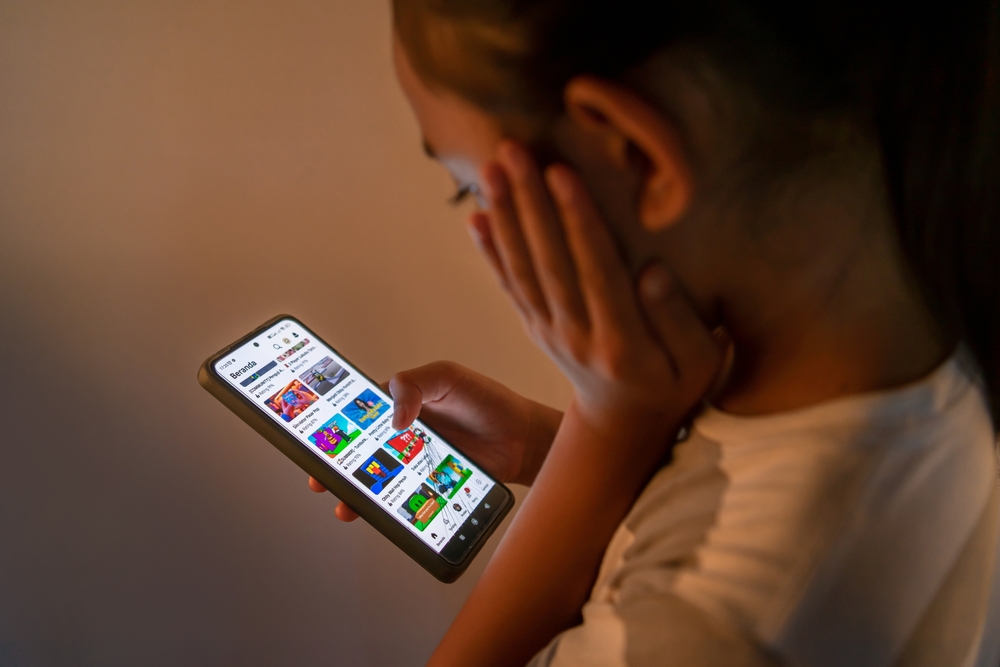
The digital world has opened new ways for children to learn, play, and interact. Roblox, one of the most popular online gaming platforms, allows millions of users worldwide to create, share, and participate in immersive games. While Roblox encourages creativity, its monetization features, such as microtransactions and loot boxes, can pose serious risks for children.
At JEWELL RADIMISIS JORGE LL.P, we aim to help parents and guardians understand these risks, protect children from financial exploitation, and navigate potential legal remedies if harm occurs.
What Are Microtransactions and Loot Boxes?
Microtransactions are small payments made within a game to purchase virtual items, currency, or access to premium features. In Roblox, this usually involves Robux, a virtual currency purchased with real money. Robux can be used for avatars, game passes, and virtual goods within individual games.
Loot boxes, sometimes called “mystery boxes,” are a type of microtransaction where users pay for a randomized reward. These rewards may include rare or exclusive items. The appeal lies in the excitement of chance, which mirrors the mechanics of gambling and can encourage repeated spending.
In Roblox, many games incorporate these mechanics to incentivize continuous engagement and spending. While intended to enhance gameplay, they can lead to financial and behavioral concerns for minors.
Why Microtransactions Can Be Risky for Children
Children and teens may not fully understand the value of money or the long-term consequences of repeated in-game purchases. Risks include:
1. Financial Exploitation
Children can spend large sums on virtual items without parental consent or knowledge. Examples include:
- Buying Robux repeatedly for upgrades or cosmetic items
- Purchasing Roblox Premium subscriptions for added in-game perks
- Spending on loot boxes hoping to obtain rare rewards
Even small, repeated payments can quickly accumulate, creating unexpected financial burden for families.
2. Gambling-Like Behaviors
Loot boxes mimic gambling by rewarding chance rather than skill. Research has shown that games with randomized reward systems can:
- Encourage compulsive spending
- Foster addictive patterns
- Create emotional highs and lows tied to success or failure in obtaining rewards
Children may not distinguish between gaming rewards and real-life gambling, increasing the risk of early problem gambling tendencies.
3. Addiction and Emotional Impact
The combination of immersive gameplay and monetized rewards can lead to digital addiction, with signs including:
- Obsessive focus on acquiring items or upgrades
- Spending excessive hours in-game to maximize purchases
- Anxiety or irritability when unable to access the game
This can affect mental health, academic performance, and social development.
How Parents Can Protect Children
Understanding the risks of microtransactions and loot boxes allows parents to implement practical safeguards:
1. Monitor Spending
- Track all Robux and premium purchases
- Set spending limits within payment systems
- Require parental approval for in-game transactions
2. Educate About Value of Money
- Discuss the real-world cost of virtual items
- Help children understand the difference between entertainment and financial responsibility
3. Enable Parental Controls
Roblox offers tools to manage spending, including:
- Restricting purchases to authorized accounts
- Limiting access to specific games or content
- Disabling chat or friend requests from strangers
4. Observe Behavior
- Watch for signs of compulsive spending or anxiety related to gameplay
- Encourage balanced offline activities, including physical exercise and social interaction
Legal Considerations in Canada
The growing awareness of microtransactions and loot boxes has led to legal scrutiny, especially regarding minors:
- Consumer protection: Companies may be held accountable if they fail to disclose the costs of in-game purchases or if minors spend without proper consent.
- Gambling laws: Some jurisdictions classify loot boxes as a form of gambling, raising legal concerns about accessibility to minors.
- Duty of care: Platforms are expected to implement safeguards to protect young users from exploitation.
The B.C. class-action lawsuit filed against Roblox in 2025 alleges that the platform’s design, including microtransactions and loot boxes, is financially exploitative and harmful to children. This litigation reflects the potential accountability of gaming platforms for unsafe monetization practices.
What Legal Action Might Involve
Parents and guardians concerned about exploitative game design may have several avenues:
- Class-action lawsuits seeking restitution for money spent by minors without proper consent
- Consumer protection claims addressing undisclosed costs or manipulative in-game features
- Guidance for safer gaming practices and enforcement of parental controls
While these cases are emerging, legal counsel can help families understand their rights and potential remedies.
Tips for Safer Roblox Use
Beyond legal awareness, parents can adopt proactive strategies:
- Set clear rules for in-game purchases and screen time
- Educate children about the risks of spending real money online
- Use parental controls to manage access and permissions
- Engage with children about their gaming experiences
- Monitor for signs of addiction or compulsive behavior
These steps help children enjoy Roblox safely while minimizing exposure to financial and behavioral harm.
Conclusion
Roblox provides creative, engaging, and social experiences for children, but microtransactions and loot boxes present unique risks. Parents must remain vigilant to prevent financial exploitation, compulsive spending, and exposure to gambling-like mechanics.
The emerging legal landscape highlights that gaming platforms may be held accountable for unsafe or exploitative monetization practices. At JEWELL RADIMISIS JORGE LL.P, we help families understand these risks, explore legal options, and implement strategies to safeguard children online.
Contact our team today to discuss your child’s safety on Roblox, understand potential legal remedies, and protect your family in the evolving world of digital gaming.