

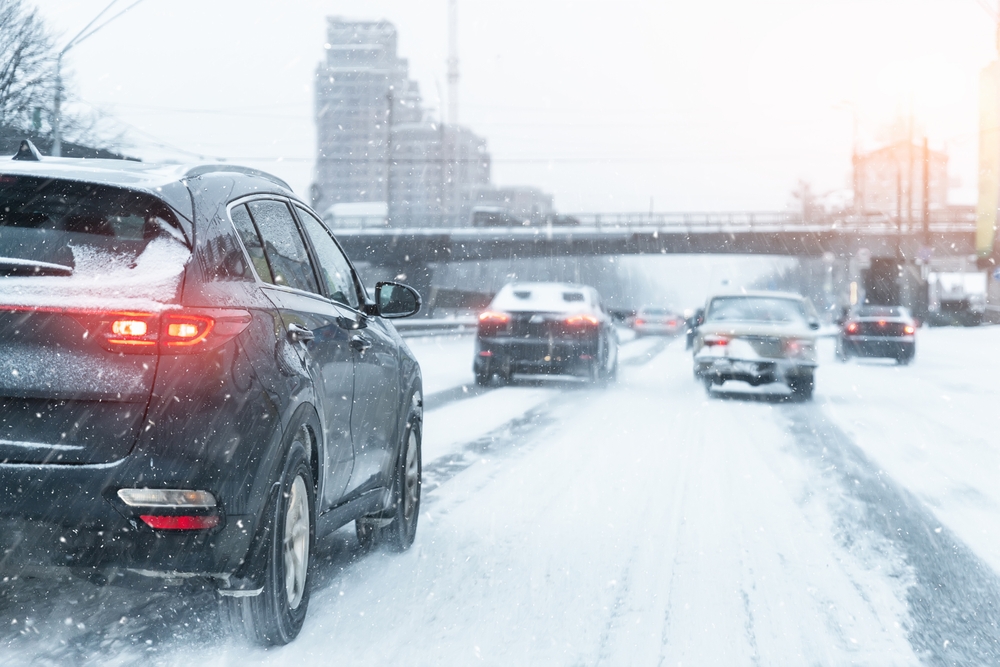
Winter driving can be one of the most challenging experiences for motorists. Snow, ice, freezing rain, and shorter daylight hours all create conditions that require extra care and preparation. Even drivers who are experienced on the road can find winter conditions dangerous if their vehicle is not properly maintained or if they do not adjust their driving habits. Preparing your car and yourself for winter driving is essential to reduce the risk of accidents and ensure that you arrive safely at your destination.
Proper vehicle maintenance is the foundation of safe winter driving. One of the first things to check is your tires. Tires are the only part of your vehicle that makes contact with the road, so having good traction is essential. Ensure your tires have enough tread and consider using winter tires or high quality all season tires. Winter tires are designed to perform better in low temperatures, snow, and ice. Cold weather can also reduce tire pressure, which affects handling and braking. Checking and adjusting tire pressure is a small step that can make a significant difference in vehicle control.
Your car’s battery and brakes are equally important in winter. Cold temperatures reduce battery efficiency, and an older or weak battery may fail when you need it most. Brakes are crucial when driving on slippery surfaces. Worn or uneven brakes can make it difficult to stop safely, increasing the risk of accidents. A professional inspection of your battery and brakes before winter ensures that your car is reliable and able to respond safely to challenging conditions.
Visibility is another major concern during winter months. Snow, ice, and freezing rain can quickly obscure your windshield and mirrors. Replacing worn wiper blades and using a windshield washer fluid designed to resist freezing can help keep your view clear. Make sure your defroster and heater are functioning properly to prevent fogging and ice buildup inside your windows. Maintaining clear visibility is essential for safe driving in winter weather.
Keeping your gas tank at least half full is a simple but effective safety measure. A fuller tank helps prevent fuel lines from freezing and ensures that your engine can keep running if you become stranded. Running out of fuel in cold temperatures can be dangerous, and having enough gas allows you to keep warm while waiting for help.
An emergency kit is another vital part of winter preparation. Accidents or breakdowns can happen at any time, and being prepared can make a big difference. Your kit should include blankets, warm clothing, gloves, a flashlight, non perishable snacks, bottled water, a small shovel, an ice scraper, and a first aid kit. These supplies can help you stay safe and comfortable until assistance arrives.
Before driving, always remove snow and ice from your entire vehicle, including windows, mirrors, lights, and the roof. Driving with obstructed visibility is dangerous and may be illegal. Snow on the roof can slide onto your windshield or fly off and hit other vehicles, creating hazards. Taking a few minutes to clear your car completely is a simple step that greatly reduces risk.
Driving behavior must also adapt to winter conditions. Reduce your speed, increase your following distance, and avoid sudden braking or sharp turns. Approach intersections and curves cautiously, and always anticipate areas where black ice may be present. Smooth, deliberate movements are key to maintaining control of your vehicle and preventing accidents.
Planning ahead is equally important. Check weather forecasts and road conditions before leaving, and allow extra time for your journey. Even familiar routes can become dangerous in winter weather, so remain alert and patient at all times. Avoid distractions such as using a phone or adjusting controls while driving. Fatigue can also affect your reaction time, so ensure you are well rested before long trips.
Modern vehicles often come with safety features such as traction control, anti lock braking systems, and electronic stability control. These systems can assist in maintaining control, but they are not a substitute for cautious driving. Relying solely on technology without adjusting your habits can create a false sense of security. Your awareness and judgment are always the most important factors for safe winter driving.
Combining proper vehicle maintenance, preparation, and safe driving habits will significantly reduce the risks associated with winter roads. Proper tires, brakes, wipers, fluids, and emergency supplies ensure your car is ready for cold weather. Adjusting your driving style, checking weather updates, and leaving extra travel time allows you to respond safely to changing conditions. Preparation and awareness together create a safer and more confident winter driving experience.
Frequently Asked Questions
- What kind of tires are best for winter driving
Winter tires provide better traction and braking in snow, ice, and low temperatures than all season tires. They are highly recommended for regions with frequent winter conditions.
- How can I prevent my car battery from dying in cold weather
Check the battery’s age and condition before winter. Keep it fully charged and have it tested by a professional. Avoid using electrical accessories unnecessarily when the engine is off.
- What should be included in a winter emergency kit
Blankets, warm clothing, gloves, flashlight, non perishable snacks, bottled water, small shovel, ice scraper, and a first aid kit are essential. These items help you stay safe if you are stranded.
- Is it necessary to clear snow from the roof of my car
Yes. Snow can slide onto the windshield or fly off and hit other vehicles, creating hazards. Clear all snow and ice from your car before driving.
- How should I adjust my driving in winter conditions
Reduce speed, increase following distance, avoid sudden braking, and stay alert. Leave extra time for travel and choose safer routes whenever possible.
If you have been involved in an incident causing you injury, it is always best to consult a professional lawyer who has experience arguing these types of claims to protect your interests. Please contact our team at JEWELL RADIMISIS JORGE LL.P for a free initial consultation at 1 (844) DIAL JRJ.