

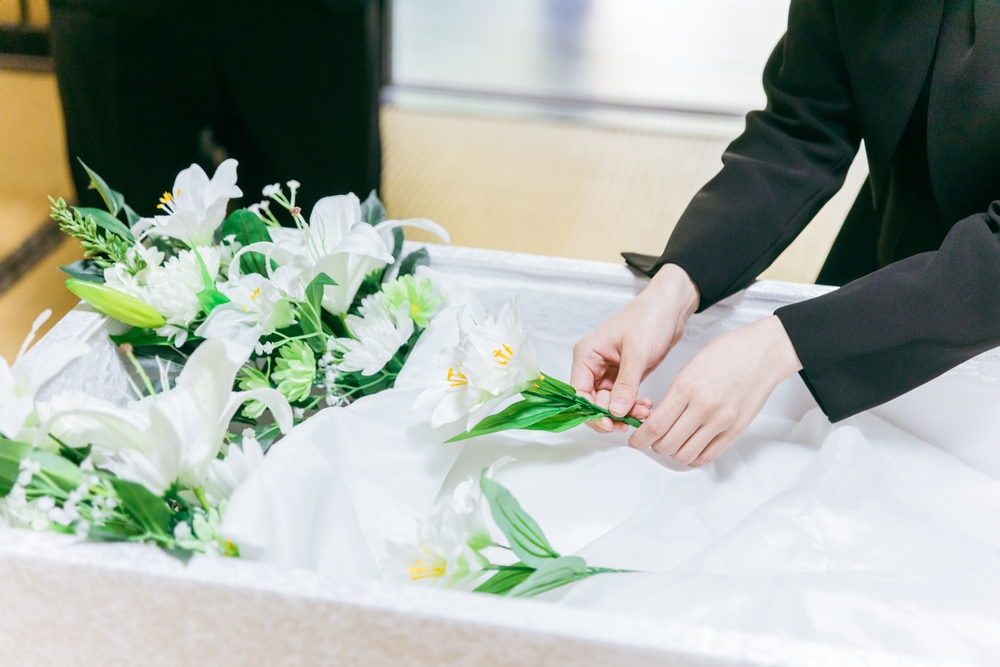
Valentine’s Day is supposed to be about dinners and flowers, small rituals of love that carry families through ordinary Thursdays and hard years. When a life is cut short by a motor vehicle collision, that holiday lands differently. There is an empty chair at the table, a phone that will not light up, a song on the radio that now feels like a bruise. In the aftermath, families are thrown into a system they never asked to learn.
When a death occurs, many people ask the same two questions:
- Does the person who passed away have a claim? Yes, the estate may have a claim for the losses the deceased experienced before death.
- Do the family members of the deceased have a claim? Yes, separate from the estate, the family also has its own claims for what they lost when their loved one died.
In Ontario, the Family Law Act (FLA) gives spouses, children, parents, grandparents, grandchildren, and siblings a path to recovering compensation for the Loss of Care, Guidance, and Companionship when the loved one death is involved.
This article explains the family’s rights, how these damages are assessed, and why certain rules are different.
First Things First: SABS Vs Tort
When a death occurs in a motor vehicle collision, two legal tracks often run in parallel.
The first is no‑fault accident benefits under Ontario’s Statutory Accident Benefits Schedule (SABS). These are paid regardless of who caused the crash and can include death and funeral benefits (typically a lump sum to a surviving spouse and each dependent, plus reimbursement of funeral expenses up to a set maximum). Optional policy upgrades can increase these amounts.
The second track is a tort claim against the at‑fault party. This is where the FLA comes in. It allows eligible family members to seek compensation for pecuniary losses (such as funeral expenses and the value of services provided) and for the loss of care, guidance, and companionship.
What Is An FLA Claim, And Who Can Bring One?
Under FLA s.61(1), the following family members may advance claims when someone is injured or killed by the fault or neglect of another: spouse, children, grandchildren, parents, grandparents, and siblings.
A “spouse,” for these purposes, includes more than a legally married partner; it can include partners who have cohabited continuously for three years, or who are in a relationship of some permanence and have a child together.
Recoverable heads of damage under s.61(2) include:
- actual expenses reasonably incurred for the benefit of the person injured or killed;
- actual funeral expenses reasonably incurred;
- a reasonable allowance for travel expenses actually incurred in visiting the person during his or her treatment or recovery;
- where, as a result of the injury, the claimant provides nursing, housekeeping or other services for the person, a reasonable allowance for loss of income or the value of the services; and
- an amount to compensate for the loss of guidance, care and companionship that the claimant might reasonably have expected to receive from the person if the injury or death had not occurred.
S.61(2)(e): What Is “Care, Guidance, And Companionship”?
Care, guidance, and companionship are about the human relationship itself. Courts look at how the person loved, taught, advised, encouraged, and showed up for their family.
- Care refers to the comfort, assistance, protection, and practical support the deceased or injured person provided to the claimant. Consider, help with daily activities, support during milestones, stress, or illness, and a practical involvement in the home or family life.
- Guidance refers to advice, mentorship, moral support, emotional leadership, and teaching that the deceased would have given if they were still alive. Consider parental guidance and moral training, mentorship, decision‑making support, or encouragement, and role‑modeling and emotional direction.
- Companionship refers to the love, affection, companionship, shared experiences, and emotional bond between the claimant and the deceased. Consider shared traditions, social and recreational time, and emotional closeness and mutual enjoyment of life.
Loss of Care, Guidance and Companionship is the law’s way of recognizing the human relationship that was stolen by negligence. It is the legal expression of the absence left behind after a wrongful death or serious injury.
How Much Can A FLA Claimant Claim?
Ontario courts have confirmed there is no cap on loss of care, guidance, and companionship damages, which are assessed case‑by‑case based on the closeness of the relationship and the real impact of the loss. Jury awards in some cases have been substantial, and appellate courts have upheld generous outcomes where the evidence supported them.
In Moore v. 7595611 Canada Corp., 2021 ONCA 459, the Court of Appeal confirmed that Ontario does not impose a fixed maximum ceiling on these FLA damages. To be clear, “no cap” does not mean “millions in every fatality case.” Trial judges and juries still apply precedent and proportionality. The evidence must justify the number. Moore simply confirms the absence of a fixed maximum.
This differs from the separate, well‑known cap on non‑pecuniary pain and suffering established by the Meyer v. Bright trilogy for injured plaintiffs. The pain and suffering cap sets an upper limit for non‑pecuniary damages in personal injury cases, adjusted for inflation over time. That cap applies to the injured plaintiff’s general damages, and it remains a live consideration in Ontario practice today.
What Influences The Claim Value?
Insurers and defence counsel will evaluate the closeness and quality of the family relationship, the daily realities of support, and the credibility of proof. As a simple illustration, consider two sons advancing FLA S.61(2)(e) claims for a deceased father:
- Son A can show that his father taught him to tie his shoes and later to shave, coached his minor sports, attended every game he could, purchased school supplies, set aside savings for college, and was emotionally present. There are photos and messages that capture the bond, coaches who will testify, and it is easy to show regular guidance and encouragement.
- Son B had a father whom he rarely visited, remained distant, and had minimal involvement. There are few shared moments and little third‑party corroboration.
Both sons are entitled to claim, however Son A’s evidence illustrates the tangible care, guidance, and companionship that was given, and what was lost as a result of the death.
Son B may still recover, but the award will reflect the weaker evidence of relationship.
Courts assess the lived experience, not labels. Contemporary practice guidance repeatedly emphasizes building a detailed, authentic record, for example through family materials, witness accounts, and day‑in‑the‑life proof.
How JRJ LAW Builds A Strong FLA Case
Our role is to protect your rights and to present your loved one’s story with respect and precision. In a fatal‑collision file we will:
- Secure immediate supports by helping the estate or survivors access SABS death and funeral benefits, and by coordinating the necessary forms and proof, including any optional coverage review.
- Develop the evidence for the family’s FLA claims, including photos, videos, texts, letters, school or sport records, and third‑party witnesses who can authentically describe the relationship.
- Explain the rules and the law and address any vulnerabilities. We organize the case so that the relationship evidence is front and center.
Personal injury and wrongful‑death claims are time-sensitive. Early legal advice helps protect both the estate’s claim and each family member’s FLA claim, and it helps us send any required notices and gather key proof before it is lost.
If your family has lost a loved one in a collision, JRJ LAW will pursue the full measure of your rights with care and clarity. We will secure immediate benefits, build the evidence that honours your relationship, and advance a persuasive FLA claim. Contact us for a free consultation.