

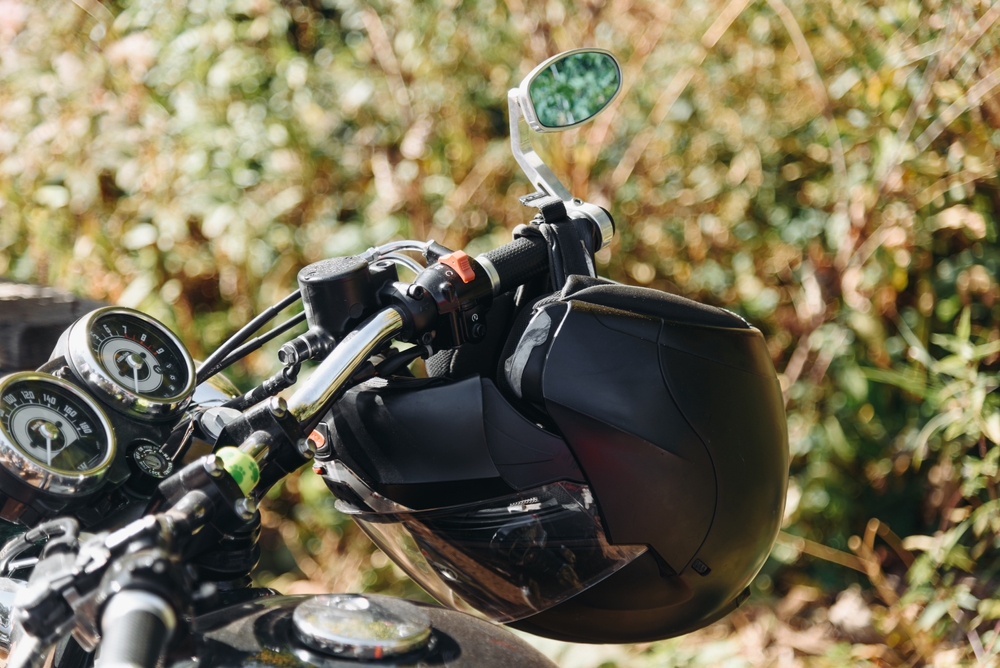
Summer in Ontario draws motorcycle riders back onto the road with a sense of excitement that is hard to match. After months of cold weather, the first warm days feel like an invitation to get moving again. The open road, the scenery, and the freedom of riding all come together to create an experience that many riders wait for all year.
Unfortunately, the summer months also bring a noticeable increase in motorcycle collision. The aftermath of these incidents are felt far too often, and many of them could have been prevented with a bit more awareness and preparation.
Why Summer Riding Comes With Added Risk
Ontario roads change dramatically in the summer. Traffic increases around cottage country, provincial parks, and major highways. Drivers are often distracted, tired from long trips, or simply not paying attention. Construction season also reaches its peak, which means uneven pavement, loose gravel and sudden lane changes. These conditions are challenging for any driver, but they are especially dangerous for motorcyclists.
A motorcycle offers very little physical protection. Even a low speed collision can lead to serious injuries such as fractures, spinal damage, or traumatic brain injuries. Many collision reports include the same troubling statement from drivers who cause the crash: they did not see te motorcycle. This is not an excuse, but it is a reminder of how vulnerable riders are.
Practical Safety Tips for Ontario Riders
Wear Proper Protective Fear
Ontario law requires an approved helmet, but riders should think beyond he legal minimum. A good jacket with armour, gloves, sturdy boots, and abrasion resistant pants can make a tremendous difference in the event of a fall. Bright colours and reflective materials also help drivers notice you sooner.
Make Yourself Easy to See
A large number of motorcycle collisions happen because drivers fail to notice the rider. Choose a lane position that keeps you visible, use your headlights during the day, and avoid riding in blind spots. Small additions like reflective tape or extra lighting can also help.
Be Alert to Road Conditions
Summer brings construction, potholes, and loose gravel. These hazards can cause a motorcycle to lose traction quickly. Scan the road ahead and slow down when approaching unfamiliar surfaces. In rural areas, keep an eye out for wildlife, especially during early mornings and evening hours.
Ride Sober and Stay Rested
Alcohol, drugs, and fatigue all impair judgment and reaction time. Long rides are enjoyable, but they can also be draining. Take breaks, drink water, and pay attention to how you feel. Heat exhaustion can creep up on riders and affect their ability to operate safely.
Keep Your Motorcycle in Good Condition
Before each ride, check your tires, brakes, lights and fluid levels. Ontario weather can e hard on motorcycles, especially after a long winter. A well maintained bike is far less likely to failw hen you need it most.
Know How Ontario Accident Benefits Works
Ontario uses a no fault insurance system. Your own insurer provides certain benefits regardless of who caused the collision. However, if another driver was negligent, you may still be able to pursue a lawsuit for damages such as pain and suffering or loss of income. Understanding your rights can make a significant difference.
Know How Ontario Tort Law Works
If someone is at fault for a collision, they can make a tort claim to hold the at fault driver responsible for the harm their negligence caused. This claim is separate from accident benefits and allows an injured rider to pursue compensation for pain and suffering, loss of income, future care needs, and other financial losses. To succeed, the rider must show that the other driver failed to meet a reasonable standard of care. Evidence such as witness statements, photographs, medical records, and expert reports often plays a central role in proving the claim. The tort process can be complex, but it is often the only way for seriously injured rider to be fully compensated for the long term impact of the collision.
What to Do After a Motorcycle Collision
If you are involved in a collision, your safety comes first. Move out of traffic if you can and call emergency services. Even if your injuries seem minor, get medical attention right away. Some injuries do not show symptoms immediately.
Take photographs, gather witness names, and make note of road conditions. Report the collision to your insurer as soon as possible. Finally, contact our team at JEWELL RADIMISIS JORGE LL.P who understands Ontario insurance law. Early legal advice can help protect your claim and ensure that important evidence is preserved.
Frequently Asked Questions About Summer Motorcycle Safety in Ontario
What are the most common causes of motorcycle collisions in Ontario?
Many collisions happen because drivers fail tot notice the motorcycle. Other common causes include left turn collisions, distracted driving, speeding, and road hazards such as gravel or potholes. Summer traffic and construction zones also contribute to higher collision numbers.
Is wearing a helmet mandatory in Ontario?
Yes. All motorcycle riders and passengers must wear an approved helmet. Not wearing one can lead to fines and may affect your ability to recover compensation after a collision. A proper helmet is one of the most effective ways to reduce the risk of serious head injuries.
Can I still receive compensation if I was partially at fault?
In many cases, yes. Ontario uses a comparative negligence system, which means that fault can be shared. You may still be entitled to accident benefits and possibly additional compensation through a lawsuit. The amount you receive may be reduced based on your share of responsibility.
What should I do if the driver who hit me says they did not see my motorcycle?
This is a common statement, but it does not excused negligence. Drivers have a legal duty to check blind spots, signal properly, and remain attentive. If you are injured, document the scene, gather witness information, and speak with someone on our team at JEWELL RADIMISIS JORGE LL.P to understand your options.
When should I contact a personal injury lawyer after a motorcycle collision?
It is best to contact a lawyer as soon as possible. Early legal guidance helps protect your claim, ensures that deadlines are met, and allows important evidence to be preserved. A lawyer at JEWELL RADIMISIS JORGE LL.P can explain your rights under Ontario insurance law and help you pursue the compensation you deserve.
If you have been involved in an incident causing you injury, it is always best to consult a professional lawyer who has experience arguing these types of claims to protect your interests. Please contact our team at JEWELL RADIMISIS JORGE LL.P for a free initial consultation at 1 (844) DIAL JRJ.