

There is a particular kind of summer evening in Ontario when the air finally cools and the bike lanes begin to fill. A parent pulls a child in a trailer along a waterfront trail. A commuter pedals home after work. A group of friends enjoys a ride through cottage country before sunset.
Consider Dev. Dev is a 33-year-old graphic designer who occasionally commutes eight kilometres to work by bicycle. On a clear August morning he rides in a painted bike lane on a downtown arterial road, travelling with traffic at about 25 kilometres per hour. He is not wearing a helmet.
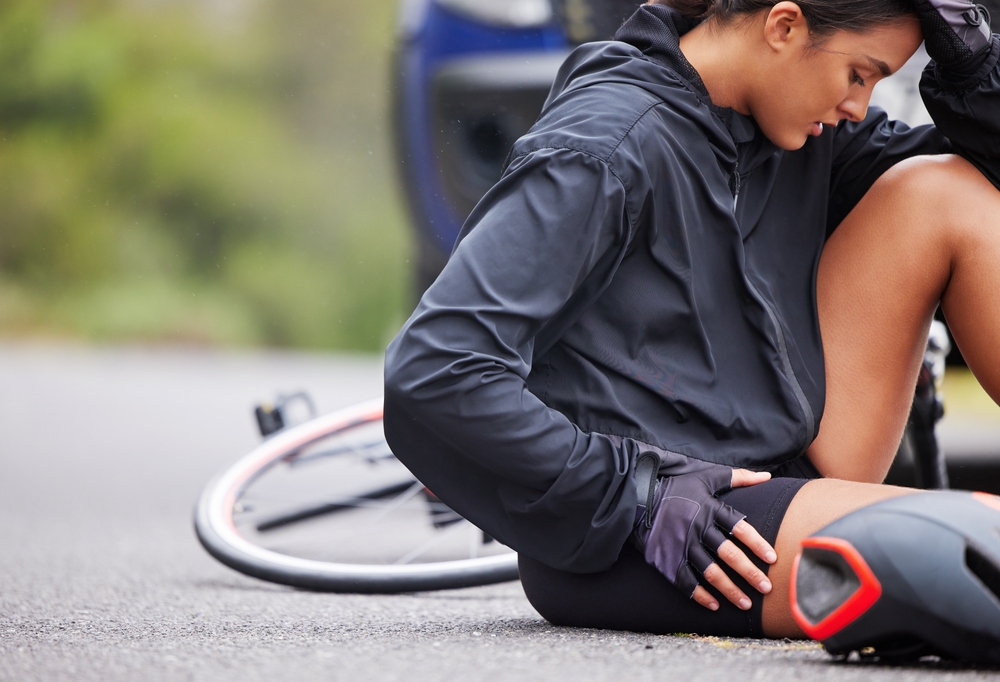
As he approaches an intersection on a green light, a delivery van in the adjacent lane turns right across the bike lane without signalling. Dev cannot stop in time, strikes the side of the van, and lands hard on his shoulder and head. He sustains a fractured clavicle, a concussion with ongoing headaches and light sensitivity, and cannot work for eleven weeks.
The insurer's early position is that Dev was partly at fault for not wearing a helmet and for failing to slow at the intersection.
This leaves Dev with hundreds of questions. Did the driver do something wrong? Was Dev supposed to avoid the collision? Can Dev access insurance benefits even though he was riding a bicycle rather than driving a vehicle?
The answers are often more favourable to cyclists than people realize.
Unfortunately, cyclists are among the most vulnerable road users on Ontario roads.
A collision that leaves two vehicles with cosmetic damage can leave a cyclist facing broken bones, traumatic brain injuries, chronic pain, psychological trauma, or months of rehabilitation. Even relatively low-speed impacts can result in serious injuries because cyclists have little physical protection.
As a result, understanding your rights before a collision occurs can be just as important as understanding them afterward.
Common Summer Cycling Collision Scenarios
- Dooring Collisions
Dooring occurs when a driver or passenger opens a vehicle door directly into the path of an approaching cyclist.
These collisions are particularly common in urban areas where cyclists travel alongside parked vehicles. Because the collision happens suddenly, cyclists often have little opportunity to avoid impact.
- Right-Turn and Left-Turn Collisions
Intersections are another frequent source of cycling injuries.
A driver turning right may cross directly into a cyclist's path. Similarly, a driver making a left turn may fail to see an oncoming cyclist travelling through an intersection.
These collisions often raise questions about right-of-way, visibility, signalling, and driver attentiveness.
- Failure to Yield
Drivers entering roadways from driveways, parking lots, or side streets sometimes focus on approaching vehicles while overlooking cyclists.
A cyclist travelling lawfully may have little time to react when a vehicle suddenly enters their path.
- Unsafe Passing
On rural roads and in cottage country, unsafe passing remains a significant concern.
When motorists pass too closely, the result may be direct contact, a forced evasive manoeuvre, or loss of control by the cyclist. Even where no physical contact occurs, a claim may still arise if the driver's conduct created a dangerous situation.
Can a Cyclist Be Partly at Fault?
One of the most common concerns we hear from injured cyclists is whether an insurance company will try to blame them for the collision.
The answer is often yes.
Ontario law recognizes contributory negligence, which means liability can be shared between multiple parties. Under the Negligence Act, a court can assign percentages of responsibility based on the evidence.
Insurers may argue that a cyclist contributed to a collision by:
- Failing to obey traffic signals
- Riding without proper lighting at night
- Travelling against traffic
- Using a phone while riding
- Failing to wear a helmet
- Operating unpredictably on the roadway
That does not mean those arguments will succeed.
The important question is whether the cyclist's conduct actually contributed to the collision or the resulting injuries.
For example, Dev who is not wearing a helmet does not automatically lose the right to compensation. The insurer must establish that the lack of a helmet contributed to the injuries being claimed. Similarly, riding lawfully through an intersection is not automatically responsible simply because a driver alleges they should have been more cautious.
Every case depends on the specific facts and evidence.
Injured Cyclists May Still Have Access to Accident Benefits
Many injured cyclists are surprised to learn they may have access to accident benefits, even though they were not driving a car.
If a cyclist is injured in a collision involving the use or operation of a motor vehicle, accident benefits may be available through Ontario's no-fault insurance system. These benefits are governed by the Statutory Accident Benefits Schedule (SABS).
A cyclist may still qualify for accident benefits even if:
- Fault remains under investigation
- The driver disputes responsibility
- The cyclist is alleged to have contributed to the collision
- The cyclist does not personally own a vehicle
In Dev’s case, he may have access to accident benefits to help fund treatment and rehabilitation despite riding a bicycle rather than operating a motor vehicle.
The tort claim, however, is often the deeper pocket to seek compensation. A tort claim may seek compensation for damages that extend beyond accident benefits coverage, including pain and suffering, loss of income, future care costs, and other losses resulting from the collision.
How JRJ LAW Helps
A cycling collision can leave an injured person dealing with physical pain, financial stress, damaged property, and uncertainty about what comes next.
We assist clients by:
- Identifying all potentially responsible parties
- Securing available accident benefits
- Preserving important evidence before it disappears
- Coordinating medical and rehabilitation documentation
- Addressing contributory negligence allegations
- Building claims for compensation arising from serious injuries
Cyclists have important legal rights on Ontario roads, but serious collisions continue to occur every summer. Understanding driver responsibilities, cyclist obligations, accident benefits, and liability rules can make a meaningful difference after an injury.
If you have been injured in a cycling collision, JRJ LAW offers a free consultation to help you understand your rights, protect important evidence, and explore the legal options available to you.