

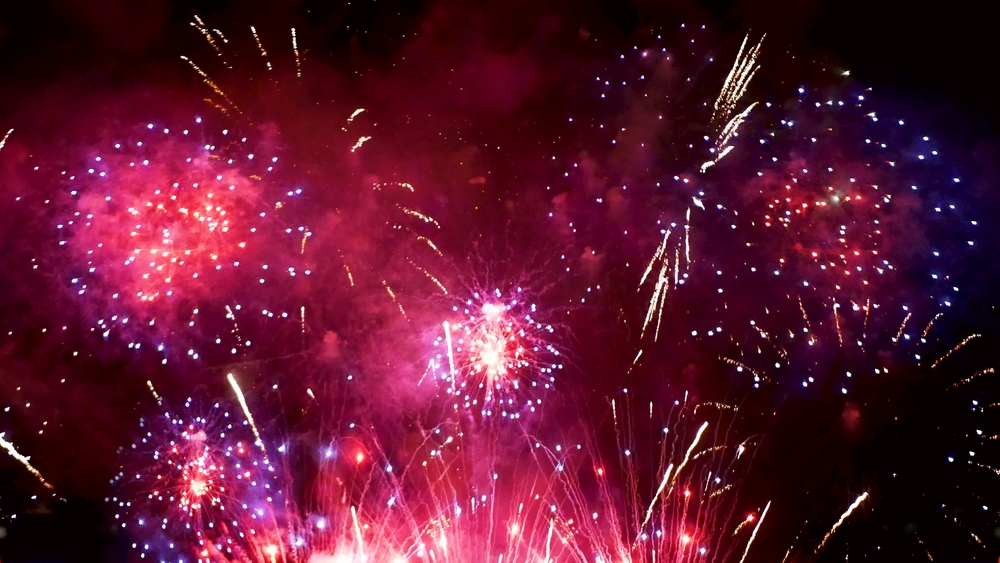
Fireworks often mark the holidays people look forward to most. What would Canada day, Victoria Day, or Diwali be without a firework display? It’s the best part of the day and a traditional way to end the evening. While some people are excited to watch the fireworks from a distance, others are excited to light the explosives.
Fireworks are not harmless decorations. They are, in fact, explosives. When something goes wrong, the consequences can be immediate and serious. A sparkler can burn a child’s hand. A firework can tip sideways and strike a guest. A small backyard display can lead to eye injuries, facial burns, hearing damage, fires, or property damage.
Liability depends on who organized the fireworks, who lit them, where they were used, whether the injured person was participating or merely watching, and whether reasonable safety steps were taken before the display began.
Private Fireworks Versus Public Fireworks
At a private gathering, the potentially responsible parties may include the person who purchased the fireworks, the person who set them up, the person who lit them, and the occupier of the property. If a guest lights fireworks too close to others, uses them while impaired, ignores the manufacturer’s instructions, or allows children to handle them, that guest may face personal responsibility. If the homeowner knew fireworks were being used unsafely and did nothing, the homeowner may also be drawn into the claim.
Public displays are different. They are usually organized by municipalities, festivals, professional operators, or event companies. Professional display fireworks are subject to different rules than consumer fireworks. Display fireworks intended for professional use at events require appropriate certification. Consumer fireworks, by contrast, are recreational items available to the public, but local municipal rules still apply.
Municipal rules vary across Ontario. For example, Toronto permits fireworks on private property without a permit only on Victoria Day and Canada Day, while permits are generally required on other days. Toronto also prohibits fireworks in public parks, beaches, streets, parking lots, balconies, and private property that is not your own.
Breaking a bylaw does not automatically prove civil liability, but it can be important evidence. If a person uses fireworks in a prohibited location, ignores permit requirements, or sets them off in crowded public spaces, those facts may help show that the risk was foreseeable and that reasonable precautions were not taken.
Who’s Responsible for the Injury?
In Ontario, most fireworks injury claims are assessed through basic negligence principles, but where the incident happens on someone’s property, the Occupiers’ Liability Act would apply, and if someone was hosting a gathering and serving alcohol, social host liability may be another relevant avenue.
Negligence does not require proof that someone intended to cause harm. The question is whether a person failed to take reasonable care in circumstances where injury was foreseeable. Because fireworks are inherently risky, courts will usually look closely at practical safety factors such as planning, supervision, distance, warnings, lighting, weather, crowd control, and compliance with municipal rules.
Legal accountability for a fireworks accident can stem from a few different sources:
- Manufacturers and Sellers:
If a firework is poorly made, malfunctions due to a factory defect, or fails to include proper instructions or warnings, the company that built or sold it can be held accountable under product liability law.
This type of claim usually depends on whether the firework was reasonably safe for its intended use and whether the injury was caused by a defect or inadequate warning, rather than by unsafe handling alone.
- Property Hosts and Occupiers:
Property owners or event hosts have a legal duty to keep their visitors safe. If they allow fireworks to be lit under dangerous conditions—such as ignoring safe distances, disregarding high winds, or letting an impaired guest handle them—they can be held liable.
An “occupier” is not automatically the owner of the property. It is someone who has control over the premises, the activity taking place, or the people allowed to attend. An occupier may be responsible if fireworks are allowed to be used in unsafe conditions, such as too close to guests, near dry grass or structures, during high winds, around unsupervised children, or by someone who is visibly impaired.
A social host is someone who provides alcohol at private gatherings. Social host liability is generally difficult to establish in Canada, and courts have historically set a high bar for finding that a private host owes a duty of care for alcohol-related harm. However, a host who serves alcohol to a visibly impaired guest and then permits or encourages that person to light fireworks near others may be doing more than passively hosting a gathering. The host may be contributing to a foreseeable and unreasonable risk of injury, and a duty may arise where a host implicates themselves in creating or exacerbating the risk of harm.
- The Individual Lighting the Fuse:
The person lighting the fuse may be personally responsible if they handle fireworks carelessly, ignore the instructions, modify the fireworks, use illegal products, or use professional-grade fireworks without the required training or permits. Using such illegal or higher-risk fireworks without authorization increases exposure.
At a fundamental level, anyone who acts carelessly while handling explosives is personally responsible for the harm they cause. This personal liability is especially severe if the individual is using illegal, modified, or professional-grade fireworks without the required training or legal permits.
Ultimately, fireworks liability is fact-specific. The key question is not simply who owned the property or who lit the fireworks. The more important question is who had control over the risk, what they knew or should have known, and whether reasonable steps were taken to prevent a foreseeable injury.
How JRJ LAW Helps
Fireworks injury claims can involve several possible defendants and insurers. JRJ LAW helps injured people and families by:
- Identifying the host, occupier, organizer, product seller, operator, or municipality involved.
- Coordinating medical documentation for burns, eye injuries, scarring, and functional limitations.
- Explaining liability issues clearly, including contributory negligence.
If you or a family member was injured by fireworks in Ontario, JRJ LAW offers free consultations and can help you understand whether the incident may give rise to a personal injury claim, what evidence should be preserved, and what next steps may protect your rights.