

The Dog Owners Liability Act (“Act”) in Ontario is an important law that shapes the responsibilities of dog owners and provides clear protection for individuals who are injured by dogs. Many people are familiar with general ideas about responsible pet ownership, but fewer understand the legal framework that governs dog related incidents in the province. The Act plays a central role in promoting public safety, encouraging responsible behaviour, and ensuring that victims have meaningful access to compensation when harm occurs.
At its core, the Act is designed to protect the public. It recognizes that dogs, even those with calm and friendly temperaments, can behave unpredictably. Because of this, the law places responsibility on the owner rather than on the dog. This approach ensures that victims are not left without recourse simply because a dog has never shown aggression before. The Act focuses on the outcome of the incident rather than the intent of the owner or the past behaviour of the dog.
A major feature of the Act is the concept of strict liability. Under strict liability, a dog owner is responsible for injuries or damage caused by their dog regardless of whether they acted negligently. This means that a victim does not need to prove that the owner failed to supervise the dog or failed to take reasonable precautions. Instead, the law assumes responsibility on the part of the owner as soon as harm occurs. This structure makes the claims process more accessible and less burdensome for victims who may already be dealing with physical pain, emotional stress, and financial challenges.
The Act also allows victims to pursue compensation for a wide range of losses. These may include medical expenses, lost income, pain and suffering, and emotional distress. In cases where injuries require long term treatment or rehabilitation, the financial impact can be significant. The Act ensures that victims have a clear legal path to recover these costs. This protection is especially important for individuals who may be unable to work or who face lasting physical or psychological effects from the incident.
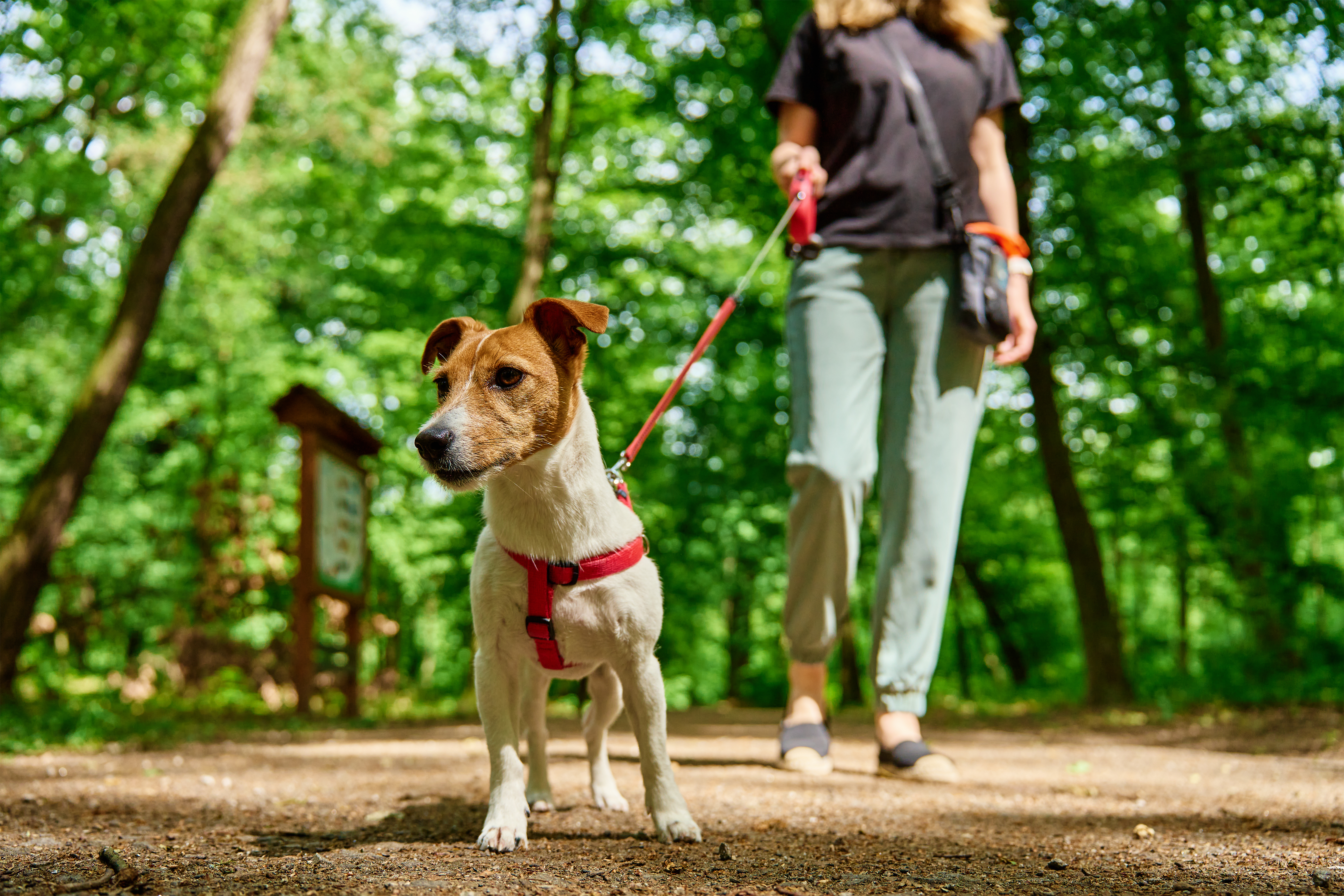
Beyond compensation, the Act encourages responsible ownership by making it clear that owners are accountable for their dog’s actions. This accountability promotes safer communities by motivating owners to take preventative measures. These measures may include proper training, early socialization, supervision in unfamiliar environments, and the use of leashes in public spaces. Owners are also encouraged to understand their dog’s behaviour and to recognize signs of stress or discomfort that could lead to aggression. By taking these steps, owners can reduce the risk of incidents and contribute to a safer environment for everyone.
The Act also gives courts the authority to impose conditions on dog owners when necessary. These conditions may include requirements for muzzling, confinement, or training. In serious cases, the court may order that a dog be removed from the owner’s care. These measures are not intended to punish dogs but to protect the public and prevent future harm. They reflect the Act’s commitment to balancing the rights of dog owners with the safety of the community.
If you have been involved in an incident causing you injury, it is always best to consult a professional lawyer who has experience arguing these types of claims to protect your interests. Please contact our team at JEWELL RADIMISIS JORGE LL.P for a free initial consultation at 1 (844) DIAL JRJ.
What should I do if I am bitten by a dog?
If you are bitten by a dog, your first priority should be your health. Seek medical attention as soon as possible, even if the injury appears minor. Dog bites can lead to infections, scarring, and other complications that may not be immediately visible. After receiving medical care, document the incident thoroughly. Take clear photos of your injuries, the location where the incident occurred, and anything else that may be relevant. Collect the name and contact information of the dog owner and any witnesses. This information can be important if you decide to pursue a claim under the Act. It is also helpful to write down your recollection of the incident while the details are still fresh in your mind.
Do I need to prove that the dog was dangerous?
No. One of the most important protections for victims under the Act is that you do not need to prove that the dog had a history of aggression or that the owner acted carelessly. The law focuses on the fact that the injury occurred, not on the past behaviour of the dog. This makes the process of seeking compensation more straightforward and less stressful for victims. You do not need to gather evidence of previous incidents or attempt to show that the owner should have known the dog was dangerous. The strict liability standard ensures that victims are not burdened with proving negligence.
What compensation can I receive?
Victims may be entitled to several forms of compensation depending on the nature and severity of the injury. Medical expenses are often the most immediate concern and may include emergency treatment, follow up appointments, medication, and rehabilitation. If the injury affects your ability to work, you may also be eligible for compensation for lost income. In addition, victims may pursue damages for pain and suffering, emotional distress, and the impact the injury has on daily life. Some individuals experience lasting psychological effects such as fear of dogs or anxiety in public spaces. These emotional consequences are recognized under the law and may be included in a claim. The goal of compensation is to help victims recover physically, emotionally, and financially.
Can a dog owner defend a claim?
Yes, there are situations where a dog owner may raise a defence. The most common defences involve provocation or trespassing. If the victim provoked the dog, the court may reduce the amount of compensation awarded. Provocation can include actions that cause fear, pain, or distress to the dog. Trespassing may also affect a claim. If the victim was unlawfully on private property at the time of the incident, the court may consider this when determining compensation. These defences do not automatically eliminate liability, but they may influence the outcome of the case. Each situation is unique, and the court will consider all relevant circumstances.
How can dog owners prevent liability?
Dog owners can reduce the risk of incidents by practicing responsible ownership. Proper training helps dogs understand commands and behave appropriately in different environments. Early socialization exposes dogs to a variety of people, animals, and situations, which can reduce fear based reactions. Supervision is important, especially around children or in unfamiliar settings. Using a leash in public spaces and ensuring that your property is secure are simple but effective steps. Understanding your dog’s behaviour is also essential. Recognizing signs of stress or discomfort allows you to intervene before a situation escalates. Seeking professional training or behaviour support when needed can make a significant difference. Responsible ownership not only protects the public but also helps keep dogs safe and well integrated into the community.