

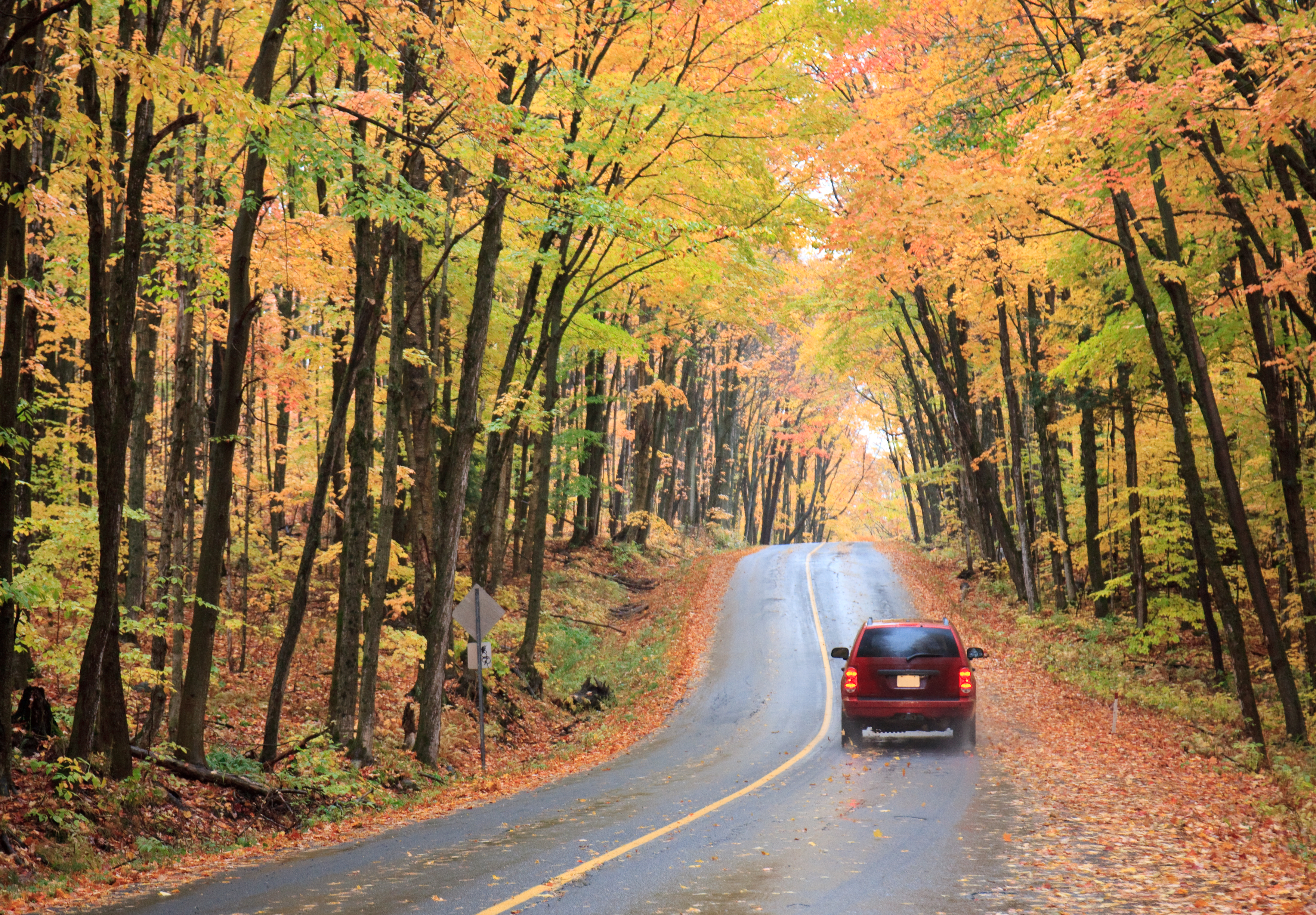
Ontario’s cottage country offers some of the province’s most scenic driving routes. But behind the lakeside charm lies a complex set of road‑safety challenges that become especially acute during peak travel months. Understanding these risks is not only essential for safe travel—it also has significant legal implications for drivers, passengers, cyclists, pedestrians, and property owners.
Why Cottage Country Roads Are Uniquely Hazardous
Cottage‑country roads differ dramatically from the controlled‑access highways many drivers are accustomed to. Cottage‑country routes often include narrow lanes, uneven surfaces, dense foliage limiting visibility, wildlife crossings, sudden curves, and steep grades. These features increase the likelihood of collisions, especially for drivers unfamiliar with the terrain.
Seasonal conditions compound these risks. Heavy rain, fog, flooding, and rapidly changing weather patterns can turn a pleasant drive into a hazardous one. Long travel times also contribute to driver fatigue, which is a major factor in rural collisions.
Summer: The Most Dangerous Time to Drive in Cottage Country
Ontario’s cottage country experiences its highest collision rates during the summer months. Legal analysis of seasonal driving patterns shows that July and August are peak months for road incidents, largely due to increased traffic volume from vacationers and tourists.
This aligns with broader provincial data. The Ontario Road Safety Annual Report (ORSAR)—the province’s authoritative source for collision statistics—confirms that summer consistently sees elevated collision numbers across Ontario. ORSAR compiles verified data from police services, health agencies, and the
Office of the Chief Coroner, providing a reliable picture of road‑safety trends.
For cottage‑country drivers, this means:
- Expect congestion on Friday evenings heading north and Sunday afternoons returning south.
- Plan for delays and exercise patience—aggressive driving is a major contributor to rural collisions.
- Consider off‑peak travel to reduce risk.
Understanding the Legal Landscape: Duties and Liabilities
Duty of Care on Rural Roads
All Ontario drivers owe a duty of care to operate their vehicles safely and reasonably. On cottage‑country roads, this duty includes:
- Adjusting speed for road conditions
- Maintaining proper lookout despite foliage or curves
- Anticipating wildlife
- Navigating gravel or uneven surfaces safely
Failure to meet this duty can constitute negligence, exposing a driver to liability for injuries or property damage.
Liability in Single‑Vehicle Collisions
Single‑vehicle crashes—common on winding rural roads—may still involve legal liability. Examples include:
- A driver injuring passengers due to excessive speed
- A driver losing control due to fatigue
- A driver failing to adjust to gravel or wet pavement
Passengers may have valid claims under Ontario’s insurance regime, even if the driver is a friend or family member.
Municipal Liability for Road Maintenance
Municipalities are responsible for maintaining safe road conditions. Under Ontario law, a municipality may be liable if:
- A road is improperly graded
- Signage is missing or inadequate
- Potholes or washouts are not repaired within a reasonable time
However, municipal liability claims are complex and require proof that the municipality failed to meet its statutory standard of care.
Wildlife Collisions and Legal Responsibility
- Wildlife encounters are a known hazard in cottage country. While hitting a deer or moose is often unavoidable, drivers must still demonstrate they were driving prudently. Excessive speed or distraction can shift liability back onto the driver.
What the Statistics Tell Us About Cottage‑Country Road Safety
Ontario’s Road Network and Collision Context
Ontario has one of the largest and most diverse road networks in Canada. As of 2021:
- Ontario’s road network spans over 250,000 kilometres, including resource roads.
- The province accounts for 20.5% of Canada’s total road length.
- The Provincial Highway Network includes 16,900 kilometres of roads and 2,880 bridges.
This vast network includes many rural and cottage‑country roads that are more challenging to maintain and patrol.
Collision and Fatality Data
The ORSAR reports provide detailed statistics on:
- Total traffic fatalities
- Injuries
- Collision types
- Vehicle types involved
- Collision locations
- Conviction and offence data
These reports confirm that Ontario remains one of the safest jurisdictions in North America, ranking in the top five for road safety for 26 consecutive years.
However, rural collisions tend to be more severe due to:
- Higher speeds
- Limited lighting
- Longer emergency response times
- Road design limitations
Summer Collision Trends
Legal commentary specific to cottage‑country driving notes that summer months see the highest accident rates, with July and August being the most dangerous.
This is consistent with ORSAR’s broader seasonal trends.
Legal Tips for Staying Safe and Protected
Adjust Your Driving to Road Conditions
- Ontario law requires drivers to operate safely regardless of posted speed limits. On cottage‑country roads, this often means driving below the limit.
Avoid Peak Travel Times
- Given the documented spike in summer collisions, avoiding Friday evening and Sunday afternoon travel can reduce risk.
Use Extra Caution on Gravel and Narrow Roads
- Gravel reduces traction and increases stopping distance. Slow down before curves and hills.
Watch for Wildlife
- Scan shoulders and reduce speed at dawn and dusk.
Know Your Insurance Rights
Ontario’s no‑fault insurance system ensures that injured parties can access benefits regardless of fault. However, determining liability still affects:
- Lawsuits
- Accident benefits
- Insurance premiums
Document Road Hazards
If a collision occurs due to poor road maintenance, document:
- Road conditions
- Missing signage
- Weather
- Photos and videos
This evidence is crucial in municipal liability claims.
Remember: Safe Driving Is a Legal Responsibility
Cottage‑country driving offers beauty and relaxation, but it also presents real risks that demand heightened awareness. With summer being the most dangerous season for collisions and rural roads posing unique hazards, drivers must take proactive steps to protect themselves and others.
Understanding your legal duties—and the statistics that underscore these risks—can help ensure that your next cottage getaway is both enjoyable and safe.
If you’ve been injured in a personal injury, reach out to an experienced lawyer who can discuss with you whether the deductible and threshold apply to you and your case.
If you or a loved one has been involved in a personal injury and may be entitled to getting the help you deserve, we encourage you to contact JRJ LAW at 1 (844) DIAL JRJ for a free consultation!