

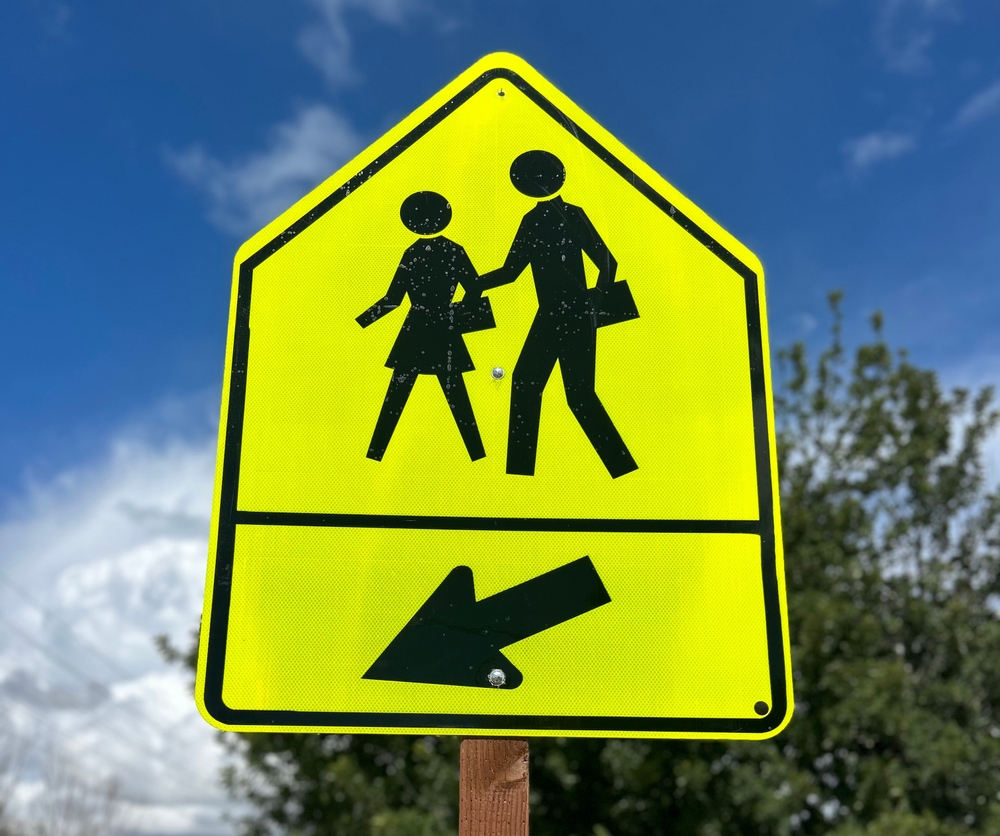
Every school day, thousands of children walk, bike, or ride to school. For many families, the trip is routine. However, school zones can quickly become dangerous when drivers are distracted, speeding or not attentive.
School zones are more than just areas with lower speed limits. They are places where children are learning, growing, and moving through their community. Because children may not always recognize dangers on the road, adults have an important responsibility to help keep them safe.
Children do not think about traffic the same way adults do. Younger children may have trouble judging how fast a vehicle is moving or how far away it is. They may become distracted while talking with friends, carrying school supplies, or rushing to get to class on time. A child can step into the road unexpectedly, making it important for drivers to stay alert at all times.
One of the biggest dangers in school zones is speeding. Many people are busy and trying to get to work or appointments, but driving too fast leaves less time to react if a child suddenly crosses the road. Lower speed limits in school zones are designed to give drivers more time to stop and help reduce the risk of serious injuries if a collision occurs.
Distracted driving is another major concern. Looking at a phone, changing a song, checking directions, or even taking your eyes off the road for a few seconds can lead to tragic consequences. In a school zone, every second matters. Drivers should give their full attention to the road and be prepared to stop at any moment.
Parents also play a major role in keeping school zones safe. Children often learn by watching adults. When parents follow traffic rules, use designated crosswalks, and respect school drop off procedures, they set a positive example. Teaching children to look both ways before crossing and to stay focused near traffic can help build lifelong safety habits.
School drop off and pick up times can be especially busy. Long lines of vehicles, limited parking, and crowded sidewalks can create frustration for drivers. During these times, patience is essential. Illegal parking, stopping in unsafe areas or making sudden turns can place children at risk. Following the school’s traffic rules may take a little longer, but those rules are there to protect students.
Many children walk to school each day. Walking is a healthy way to stay active and enjoy time outdoors. To stay safe, children should use marked crosswalks whenever possible and follow crossing guard instructions. They should also avoid distractions such as phones and headphones when near roads.
For students who bike to school, wearing a helmet is one of the most important safety measures. Cyclists should also obey traffic signs, stay visible to drivers, and remain aware of their surroundings. Communities can support cycling safety by creating safer routes and encouraging proper bike safety education.
Schools and local communities share responsibility for creating safer school zones. Crossing guards, safety programs, school staff, and law enforcement all contribute to protecting children. Improvements such as better signs, flashing lights, speed displays and safer crosswalks can also make a difference.
Creating safer school zones starts with simple choices. Slow down. Stay focused. Be patient. Watch for children. These small actions can prevent serious injuries and save lives.
Every child deserves to arrive at school safely and return home without harm. By working together, drivers, parents, schools and community members can help create a safer environment where children can learn and grow with confidence.
If you have been involved in an incident causing you injury, it is always best to consult a professional lawyer who has experience arguing these types of claims to protect your interests. Please contact our team at JEWELL RADIMISIS JORGE LL.P for a free initial consultation at 1 (844) DIAL JRJ.
Frequently Asked Questions
Why do school zones have lower speed limits?
School zones have lower speed limits because children are often walking, biking, and crossing roads nearby. Slower speeds give drivers more time to react and help reduce the chance of serious injuries.
Why are children at greater risk near roads?
Children may not always recognize traffic dangers. They can have difficulty judging vehicle speeds and may become distracted or act unexpectedly.
What is the most common danger in school zones?
Speeding and distracted driving are among the most common dangers. Both reduce a driver’s ability to reach quickly to children near the road.
What should drivers do when entering a school zone?
Drivers should slow down, watch carefully for children, obey all signs, and avoid distractions such as mobile phones.
How can parents help improve safety?
Parents can teach safe road habits, use designated drop off areas, and set a good example by following traffic rules themselves.
Why are crossing guards important?
Crossing guards help children cross streets safely and increase driver awareness during busy school hours.
What should children remember when crossing the street?
Children should stop, look both ways, use marked crossings, and make sure traffic has stopped before crossing.
How can cyclists stay safe near schools?
Cyclists should wear helmets, obey traffic signs, stay visible, and remain alert to pedestrians and vehicles.
Why is patience important during school pick up times?
Heavy traffic can be stressful, but rushing or making unsafe driving decisions can put children at risk.
Who is responsible for school zone safety?
Everyone shares responsibility. Drivers, parents, schools, local governments, and community members all play a role in protecting children.