

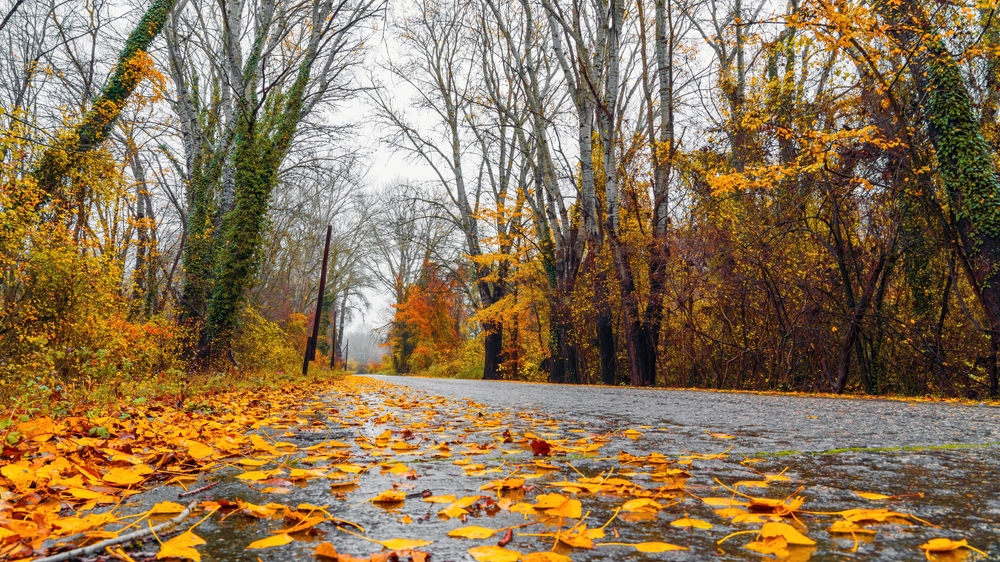
As summer gives way to autumn, Canadians experience a dramatic shift in environmental conditions. Cooler temperatures, increased rainfall, shorter daylight hours, and falling leaves all contribute to a heightened risk of accidents and injuries. While many people associate hazardous conditions with winter weather, fall presents its own unique challenges that can impact drivers, pedestrians, cyclists, workers, and property owners alike.
Understanding how seasonal changes affect safety can help individuals take proactive measures to reduce the risk of accidents and protect themselves and others during the autumn months.
The Impact of Changing Weather Conditions
Fall weather is often unpredictable. A clear morning can quickly turn into an afternoon of rain, fog, or strong winds. These sudden weather changes can catch people off guard and create dangerous conditions both on the road and in public spaces.
The transition between warm and cold temperatures can also affect surfaces, visibility, and vehicle performance. Drivers may encounter wet pavement, reduced traction, or low visibility within a single trip. Similarly, pedestrians may find themselves navigating slippery walkways, uneven surfaces, or changing environmental conditions that increase the likelihood of injury.
Because many people have grown accustomed to summer driving and outdoor activities, they may not immediately adjust their habits to account for these seasonal hazards.
Wet Leaves and Slippery Surfaces
One of the most overlooked fall hazards is the accumulation of leaves on roads, sidewalks, driveways, and parking lots. While fallen leaves may appear harmless, they can pose significant dangers when wet.
When leaves become saturated with moisture, they form a slick layer that can reduce traction for both vehicles and pedestrians. Drivers may experience longer stopping distances, while cyclists and motorcyclists may encounter sudden loss of control when travelling over leaf-covered surfaces.
For pedestrians, leaves can conceal uneven pavement, cracks, curbs, potholes, and other tripping hazards. Slip and fall accidents often occur when individuals are unable to recognize hidden dangers beneath accumulated foliage.
Property owners can reduce these risks by routinely clearing leaves from walkways and entrances, while pedestrians should remain cautious when travelling through areas where leaves have accumulated.
Reduced Daylight and Visibility Challenges
As daylight hours decrease, a greater portion of daily travel occurs during dawn, dusk, or nighttime conditions. Reduced visibility significantly increases the risk of accidents because hazards become more difficult to detect and reaction times may be limited.
Drivers may struggle to see pedestrians, cyclists, road debris, or wildlife until it is too late to react safely. Likewise, pedestrians may assume they are visible to approaching motorists when visibility is actually compromised by darkness, rain, or fog.
Maintaining proper visibility is essential during the fall season. Vehicle lights should be inspected regularly, and pedestrians should consider wearing reflective or bright clothing when walking near roadways during low light conditions.
Rain, Fog, and Hazardous Driving Conditions
Rain is among the most common weather conditions associated with fall-related collisions. Even relatively light rainfall can create slippery road surfaces by mixing with oil, dirt, and debris that have accumulated over time.
Hydroplaning becomes a concern when water builds up on the roadway, particularly for vehicles with worn tires. Drivers may lose steering control or experience reduced braking effectiveness when road conditions deteriorate.
Fog presents additional challenges by limiting visibility and reducing the ability to accurately judge distance and speed. Intersections, crossings, and roadway hazards may become difficult to identify until drivers are in close proximity.
When travelling during rainy or foggy conditions, motorists should reduce speed, increase following distances, use headlights appropriately, and allow additional time to reach their destination safely.
Increased Wildlife Activity During Fall
Autumn is a period of increased wildlife movement as animals prepare for winter. Deer and other wildlife are particularly active during the early morning and evening hours, which often coincide with commuting periods.
Animal-related collisions can result in substantial vehicle damage and serious personal injuries. Rural roads and areas near wooded environments are especially susceptible to these incidents.
Drivers should remain alert for wildlife crossing signs, reduce speed in known wildlife areas, and scan the roadside for animal activity. Exercising additional caution during dawn and dusk can significantly reduce collision risks.
Workplace and Recreational Safety Considerations
The effects of fall weather extend beyond roadways. Outdoor workers, including construction crews, landscapers, maintenance personnel, and delivery workers, frequently encounter hazards associated with wet surfaces, changing temperatures, and reduced visibility.
Similarly, recreational activities such as hiking, cycling, and organized sports may involve increased risks due to muddy terrain, slippery surfaces, and unpredictable weather conditions.
Employers and individuals should assess seasonal hazards, ensure appropriate footwear and safety equipment are used, and remain attentive to weather forecasts that may affect working or recreational environments.
Prevention Through Awareness and Preparation
While fall introduces a range of environmental hazards, many accidents are preventable through proper preparation and increased awareness. Seasonal safety begins with recognizing that autumn conditions require adjustments in driving, walking, and workplace practices.
Regular vehicle maintenance, attention to weather forecasts, property upkeep, and cautious decision making can substantially reduce the risk of injury. By anticipating seasonal challenges before they arise, individuals can better protect themselves, their families, and others within their communities.
If you have been involved in an incident causing you injury, it is always best to consult a professional lawyer who has experience arguing these types of claims to protect your interests. Please contact our team at JEWELL RADIMISIS JORGE LL.P for a free initial consultation at 1 (844) DIAL JRJ.
Frequently Asked Questions
1. Why is the risk of accidents higher during the fall season?
Fall brings a combination of weather and environmental changes, including increased rainfall, reduced daylight, fog, wet leaves, and fluctuating temperatures. These conditions can affect visibility, traction, and reaction times, increasing the likelihood of accidents.
2. How do wet leaves contribute to accidents?
Wet leaves can create a slippery surface comparable to icy conditions. They reduce traction for vehicles, bicycles, and pedestrians and may conceal hazards such as uneven pavement, holes, or debris that can lead to slips, falls, or collisions.
3. What precautions should drivers take during fall weather?
Drivers should reduce speed during adverse weather, maintain a safe following distance, ensure their tires and windshield wipers are in good condition, use headlights when visibility is reduced, and remain alert for pedestrians, cyclists, and wildlife.
4. Are slip and fall accidents more common in the fall?
Yes. Rain, wet leaves, mud, and diminished visibility can increase the risk of slip and fall incidents. Property maintenance and appropriate footwear are important measures for reducing these risks.
5. What is the most effective way to stay safe during the fall months?
The most effective approach is to remain aware of changing environmental conditions and adjust behaviour accordingly. Proactive maintenance, careful travel practices, and increased caution can significantly reduce the risk of accidents and injuries during the fall season.