

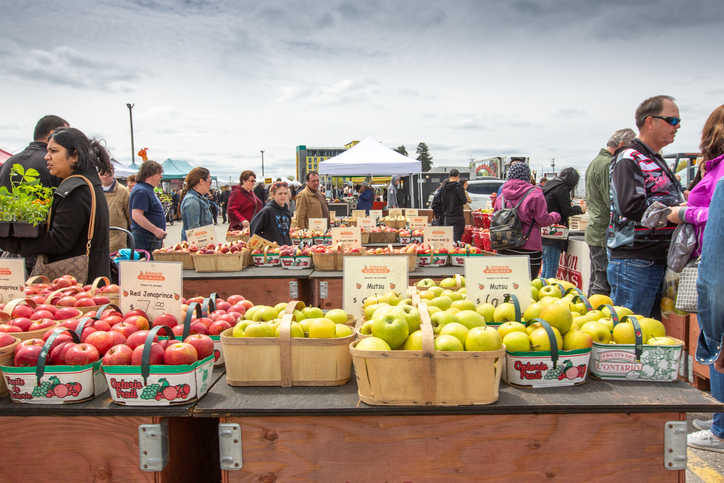
As the weather improves across Ontario, farmers markets, street festivals, outdoor concerts, fairs, and community events begin attracting large crowds. These events are intended to be enjoyable social gatherings that support local businesses and communities. However, outdoor events can also create safety risks that may result in serious injuries when proper precautions are not taken.
Unlike permanent commercial properties, many outdoor events involve temporary structures, crowded walkways, uneven surfaces, changing weather conditions, and multiple parties sharing responsibility for the setup and operation of the event. When injuries occur, determining who may be legally responsible is often more complicated than people initially expect.
There are many different ways injuries can happen at farmers markets and outdoor events. Slip and fall incidents are among the most common. Individuals may trip over tent anchors, extension cords, uneven pavement, loose gravel, curbs, potholes, debris, or poorly secured mats. Wet surfaces from rain, spilled drinks, or food products can also create dangerous walking conditions.
In some situations, injuries may involve collapsing tents, falling displays, improperly secured signage, or defective equipment used by vendors or organizers. Crowding can also become an issue at busy festivals and events, particularly where pedestrian flow is not managed appropriately. Poor lighting, inadequate barriers, lack of security, or unsafe event layouts may further increase the risk of injury.
Outdoor event injuries are not always limited to minor accidents. Depending on the circumstances, individuals may suffer fractures, concussions, head injuries, spinal injuries, soft tissue injuries, or psychological trauma. Older adults and young children may be particularly vulnerable in crowded or hazardous environments.
From a legal perspective, liability often depends on who owned, occupied, controlled, maintained, or organized the area where the injury occurred. Multiple parties may potentially share responsibility for the same incident.
For example, municipalities are frequently involved where events take place on public streets, parks, or city property. Municipalities generally have obligations to maintain public spaces in a reasonably safe condition. However, event organizers, private property owners, maintenance contractors, security companies, vendors, and third-party operators may also owe legal duties to attendees depending on the circumstances.
An event organizer may be responsible for ensuring that the layout of the event is reasonably safe, hazards are addressed promptly, crowd control measures are appropriate, and temporary structures are secured properly. Vendors may have obligations regarding the safety of their booths, equipment, electrical cords, cooking stations, and surrounding areas. Contractors hired to install tents, stages, or flooring systems may also bear responsibility if negligent setup contributes to an injury.
In many claims, the central legal issue is whether reasonable steps were taken to identify and address foreseeable risks. The law does not require perfection, but it does require parties to act reasonably in the circumstances. Courts often consider factors such as whether inspections were carried out, whether hazards were known or should have been discovered, whether warning signs were used, and whether appropriate repairs or safety measures were implemented.
Weather conditions may also become relevant. Rain, wind, mud, and uneven terrain can significantly increase risks at outdoor events. Organizers may be expected to adapt to changing conditions and take reasonable steps to protect attendees where hazards become apparent.
Evidence is extremely important in these cases. Outdoor event conditions can change quickly after an incident, especially once cleanup or repairs occur. Individuals injured at an event should attempt to document the scene as soon as possible if they are physically able to do so. Photographs or video of the hazard, surrounding conditions, lighting, crowd levels, weather conditions, and any visible defects can become valuable evidence later.
Witness information may also assist in establishing how the incident occurred. In some situations, event organizers or security personnel may prepare incident reports. Obtaining copies of those reports can be important. Surveillance footage from nearby vendors, businesses, or event cameras may also exist, though it is not always preserved for long periods of time.
Seeking prompt medical attention is equally important. Medical records create documentation of the injuries, symptoms, and treatment recommendations shortly after the incident. Even injuries that initially appear minor can develop into more serious or chronic conditions over time. Delaying treatment may not only affect recovery, but may also create evidentiary issues later.
Another important consideration is timing. Certain claims involving municipalities or public authorities may involve strict notice requirements that apply shortly after the incident. Failing to provide proper notice within the required timeframe can sometimes affect an injured person’s ability to pursue a claim. Limitation periods may also apply depending on the circumstances.
It is also important to recognize that every case is different. Liability may not always be straightforward, and multiple parties may dispute responsibility. In some situations, there may also be allegations that the injured individual contributed to the accident by failing to pay attention to their surroundings or by ignoring visible hazards. These issues often require careful legal and factual analysis.
At JRJ LAW, we assist individuals injured at festivals, farmers markets, concerts, fairs, and other outdoor events across Ontario. We investigate how the incident occurred, identify potentially responsible parties, preserve important evidence, and help clients understand the legal options available to them. If you or a loved one has been injured at an outdoor event, it is important to obtain legal advice early to protect your rights and interests. Contact us today for a free consultation.