

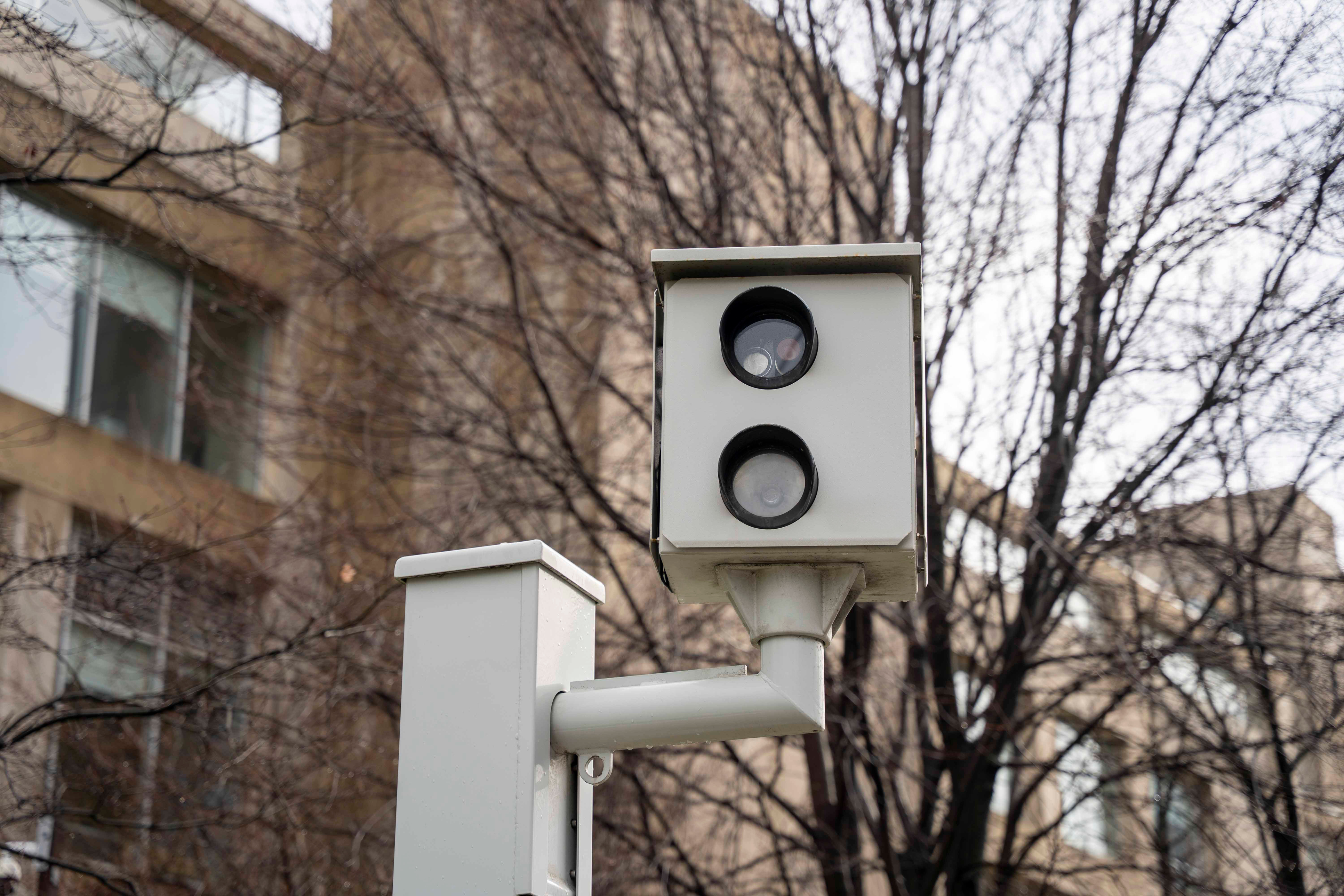
Technology has woven itself into the fabric of everyday life. We track our steps, record our doorways, message constantly, and move through a world surrounded by cameras. While most people think of these tools as conveniences, they have become more powerful in the legal world: a modern source of evidence.
When someone is injured because of another person’s negligence, the movements that follow can be disorienting. Pain clouds memory, and stress blurs details. Witnesses forget or disappear, but the digital devices record and timestamp and preserve evidence.
Digital evidence is not a central force in determining what happened, who is responsible, and how justice is served. From wearable health data to smart-home recordings, electronic information is reshaping how lawyers investigate claims and how courts evaluate them.
For decades, personal injury cases relied heavily on human recollection and traditional documentation. Today, however, electronic data often provides a cleaner, more objective account of events. A single digital file can confirm a timeline, contradict a false statement, or reveal details that no witness noticed.
This evolution has changed the expectations placed on both claimants and legal teams. Lawyers must now understand how to identify, secure, and interpret digital information, while injured individuals must be aware that their online and electronic activity can influence the outcome of their case.
Types of Digital Evidence
- Home and Public Cameras
Doorbell cameras, store surveillance systems, traffic cameras, and dashboard recorders capture incidents with remarkable clarity. These recordings can show the exact moment an injury occurred, reveal unsafe conditions, or confirm reckless behaviour.
- Wearable and Health-Tracking Devices
Fitness trackers and smartwatches monitor heart rate, movement patterns, sleep equality, and activity levels. After an injury, this data can demonstrate changes in mobility, pain levels, or physical limitations, information that can strongly support a claim.
- Digital communications
Emails, text messages, and app-based conversations often contain crucial details. They may show admission of fault, warnings that were ignored or discussions that establish a timeline.
- Location and Movement Data
Phones, vehicles and apps routinely log where a person has been. This information can verify whether someone was present at the scene, how fast a vehicle was moving, or whether a person’s account aligns with recorded movement.
- Online Activity and Social Media
Posts, photos, comments, and check-ins can either reinforce a claim or raise questions about its accuracy. Even seemingly harmless content can be misinterpreted, which is why injured individuals must be cautious about what they share online.
How Digital Evidence Strengthens a Personal Injury Case
Digital information can influence nearly every stage of a claim, from initial investigation to final settlement negotiations.
- Clarifying What Happened
Electronic data can fill in gaps that human memory leaves behind. A timestamped video or message can confirm the sequence of events with precision.
- Demonstrating the Extent of Injury
Wearable data, medical app logs, and communication records can show how an injury has affected daily life. This helps establish damages such as pain, suffering, and loss of function.
- Proving Fault
Location data, surveillance footage, and digital communications can reveal negligent behaviour, speeding, unsafe property conditions or failure to follow safety protocols.
- Countering False Claims
Digital evidence can expose inconsistencies or attempts to distort the truth. This protects injured individuals from unfair accusations and strengthens the credibility of their case.
Challenges That Come With Digital Evidence
While electronic data is powerful, it also presents unique obstacles:
- Authenticity must be proven. Screenshots alone are rarely enough; metadata and verification are essential.
- Data can disappear quickly. Many systems automatically delete footage or logs within days.
- Context matters. A photo or message can be misinterpreted without proper explanation.
- Technology is not infallible. Devices malfunction, timestamps drift, and apps glitch.
A strong legal strategy blends digital evidence with traditional investigation.
Best Practices for Protecting Digital Evidence
For anyone injured in a collision, a few steps can make a significant difference:
- Avoid posting about the incident online.
- Save any relevant messages, photos or videos.
- Preserve devices that may contain useful data.
- Notify your lawyer immediately so they can secure time-sensitive information.
- Do not delete or alter anything that may be relevant.
Digital evidence is most powerful when it is preserved early and handled correctly.
Why Working With the Right Lawyer Matters
Not all legal teams are equipped to handle the complexities of digital evidence. A lawyer who understands modern technology can identify valuable data, prevent its loss, and present it effectively. They can also anticipate how insurance companies may attempt to use digital information against you.
A knowledgeable legal team ensures that your digital footprint becomes a tool for justice.
Frequently Asked Questions
- What types of digital evidence are most useful?
Useful evidence includes camera footage, text messages, emails, GPS logs, wearable-device data, and social medica activity. Each type offers a different perspective that can help clarify what happened and how the injury occurred.
- Can my social medical posts hurt my case?
Yes. Even innocent posts can be misinterpreted. Insurance companies often review online activity to look for inconsistencies. It is best to avoid posting until your case is resolved.
- How quickly should digital evidence be secured?
Immediately. Many systems automatically delete data within days or weeks. Acting fast ensures that important information is not lost forever.
- Can digital evidence be challenged in court?
Yes. Evidence can be questioned for authenticity, accuracy, or context. Proper documentation and expert analysis helps ensure it stands up to scrutiny.
- Why is a lawyer important when digital evidence is involved?
Digital evidence is powerful but complex. A lawyer ensures it is collected ethnically, preserved correctly, and presented in a way that strengths your case rather than weakens it.
If you have been involved in an incident causing you injury, it is always best to consult a professional lawyer who has experience arguing these types of claims to protect your interests. Please contact our team at JEWELL RADIMISIS JORGE LL.P for a free initial consultation at 1 (844) DIAL JRJ.
Please contact JRJ LAW at 1 (844) DIAL JRJ for a free consultation!