

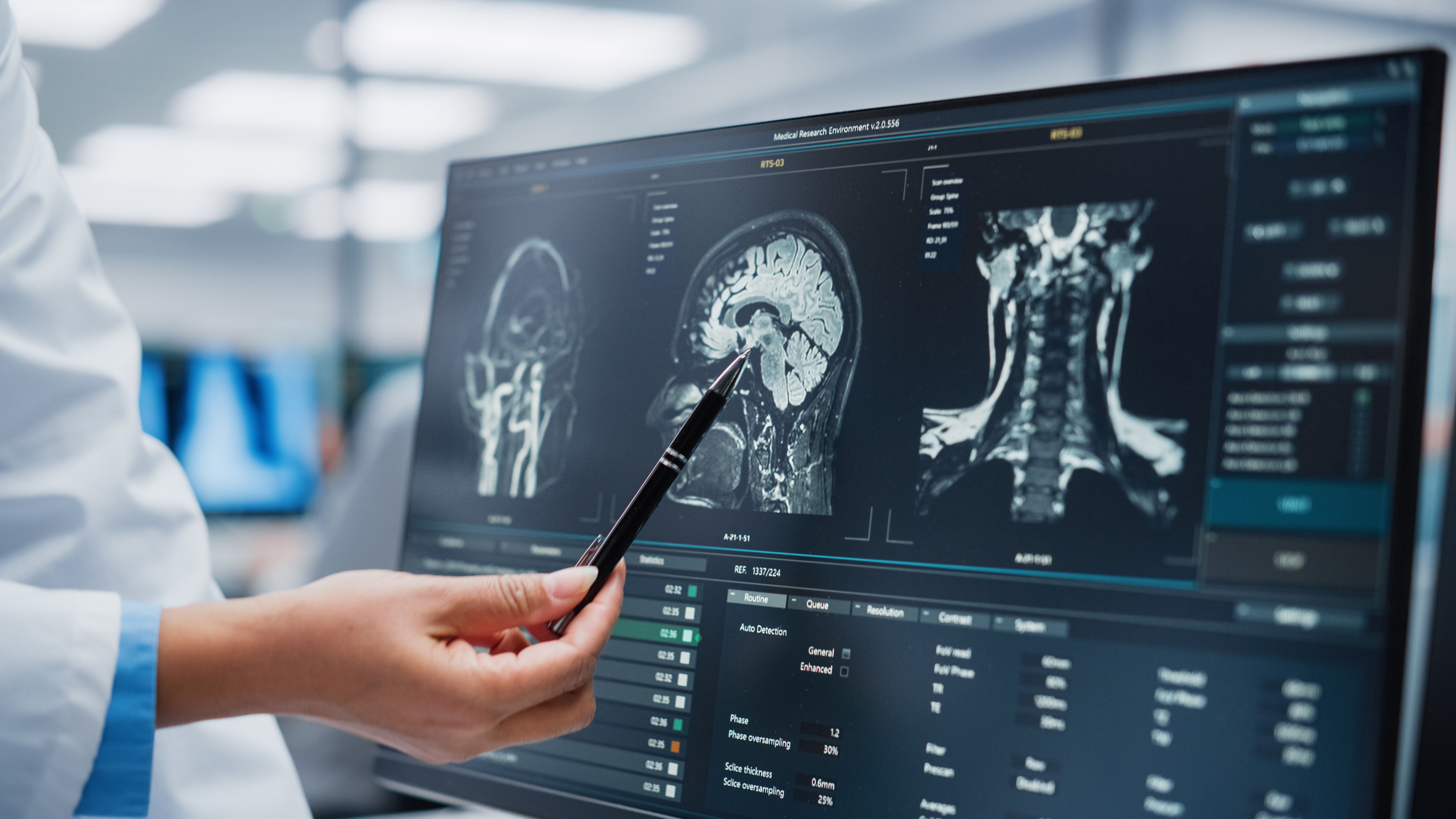
A motor vehicle collision can disrupt your life in ways you never expected. Amont the most serious consequences of a motor vehicle collision are brain injuries. They can cause permanent changes inclusive of physical, emotional and cognitive challenges. A low-speed crash can generate enough force to injure the brain, and symptoms may not appear until hours or days later. Brain injuries are especially concerning because they can affect memory, behaviour, movement, and the ability to think clearly. Even a relatively minor collision can generate enough force to injure the brain, and symptoms may not appear until hours or days later.
Brain Hemorrhage
A brain hemorrhage occurs when blood vessels inside the skull are damaged and begin to leak. This bleeding can happen in several areas of the brain and may cause pressure to build rapidly. People with a brain hemorrhage may experience a sudden and intense headache, confusion, difficulty speaking, or a loss of consciousness. Because bleeding can worsen quickly, emergency medical treatment is essential. Doctors often rely on CT scans or MRI imaging to identify the source of the bleeding and determine whether surgery is needed.
Concussion
A concussion happens when the brain moves quickly back and forth inside the skull. This sudden movement disrupts normal brain function. A concussion can cause headaches, dizziness, difficulty concentrating, and sensitivity to light and noise. Although concussions are sometimes described as minor, their effects can linger. Some people experience ongoing symptoms that interfere with daily life, work and relationships.
Skull Fracture
A skull fracture occurs when the bone surrounding the brain cracks or breaks. This type of injury may be accompanied by bleeding, swelling, or leakage of cerebrospinal fluid. A fracture does not always produce visible signs on the outside of the head, which is why medical imaging is essential.
Diffuse Axonal Injury
A diffuse axonal injury is caused by strong rotational forces that stretch and damage the brain’s nerve fibers. These forces often occur in high-speed collisions where the head is thrown in different directions. Individuals with this injury may lose consciousness at the scene. Long term effects can include memory difficulties, reduced coordination, and changes in behaviour or emotional regulation.
Brain contusion
A brain contusion is a bruise on the brain tissue itself. It typically occurs when the head strikes an object inside the vehicle. Contusions can cause swelling and increased pressure inside the skull. In more serious cases, surgery may be needed to relieve pressure and prevent further injury. Symptoms may include confusion, headaches, and difficulty staying alert.
Penetrating Brain Injury
A penetrating brain injury occurs when an object enters the skull and damages the brain. In a collision, this may happen when debris or shattered glass strikes the head. These injuries are extremely serious and often require emergency surgery. Long term effects may include difficulties with movement, speech, memory and emotional stability.
Frequently Asked Questions
- Why is early medical attention essential?
Brain injuries can worsen quickly if they are not diagnosed and treated promptly. Even if symptoms are mild, they may progress over time. Seeking medical attention immediately after a collision helps protect your health and ensures that your symptoms are properly documented. This documentation is important for both treatment and any claims related to the accident. Additionally, seeking medical attention early will build evidence for your personal injury claim.
- What are the common signs of a brain injury after a collision?
People may experience headaches, dizziness, confusion, nausea, blurred vision, difficulty concentrating, or changes in mood. Some symptoms appear immediately, while others gradually appear.
- How do I know if I should speak with a personal injury lawyer after a brain injury?
If you suffered any form of head trauma in a collision, it is wise to consult a lawyer as soon as possible. Brain injuries often involve complex medical evidence, long recovery periods, and significant financial consequences. A lawyer can help you understand your rights and determine whether you may be entitled to compensation.
- Why are brain injury claims more complicated than other injury claims?
Brain injuries can affect memory, behaviour, concentration, and decision making. Symptoms may fluctuate or appear gradually. Insurers often question the severity of the injury. A lawyer can gather medical records, consult specialists, and build a strong case that reflects the full impact of the injury.
- What types of compensation may be available after a brain injury in accident benefits?
You may obtain compensation for medical treatment and rehabilitation, lost income, and attendant care, amongst others.
- Do I need medical documentation to pursue a claim?
Yes. Medical records are essential in any brain injury case. They help establish the diagnosis, track symptoms, and show how the injury affects daily life. A lawyer can help ensure that your medical evidence is complete and properly organized.
- What if my symptoms did not appear right away?
Delayed symptoms are common with brain injuries. Even if you felt fine at the scene, you may still have a valid claim. It is important to seek medical attention as soon as symptoms appear and inform your lawyer so the timeline is properly documented.
- How long do I have to start a claim?
Time limits vary depending on the type of claim, but it is always best to speak with a lawyer as early as possible. Waiting too long can make it harder to gather evidence and may affect your ability to pursue compensation.
- How can a personal injury lawyer help if I am struggling to manage daily life after a brain injury?
When a brain injury begins to interfere with everyday tasks, it can feel overwhelming. Many people find that activities they once handled easily, such as organizing appointments, remembering instructions, or managing work responsibilities, suddenly become difficult. A personal injury lawyer can play an important role during this period by taking on the responsibilities that may now feel unmanageable. This includes gathering medical records, communicating with insurance representatives, and ensuring that deadlines are met. A lawyer can also help you access the treatment and rehabilitation services you may need by guiding you through available benefits and documenting how the injury affects your life. By handling the legal and administrative aspects of your claim, a lawyer allows you to focus on your recovery while ensuring that long term impact of your injury is fully recognized and properly valued.
If you have been involved in an incident causing you injury, it is always best to consult a professional lawyer who has experience arguing these types of claims to protect your interests. Please contact our team at JEWELL RADIMISIS JORGE LL.P for a free initial consultation at 1 (844) DIAL JRJ.