

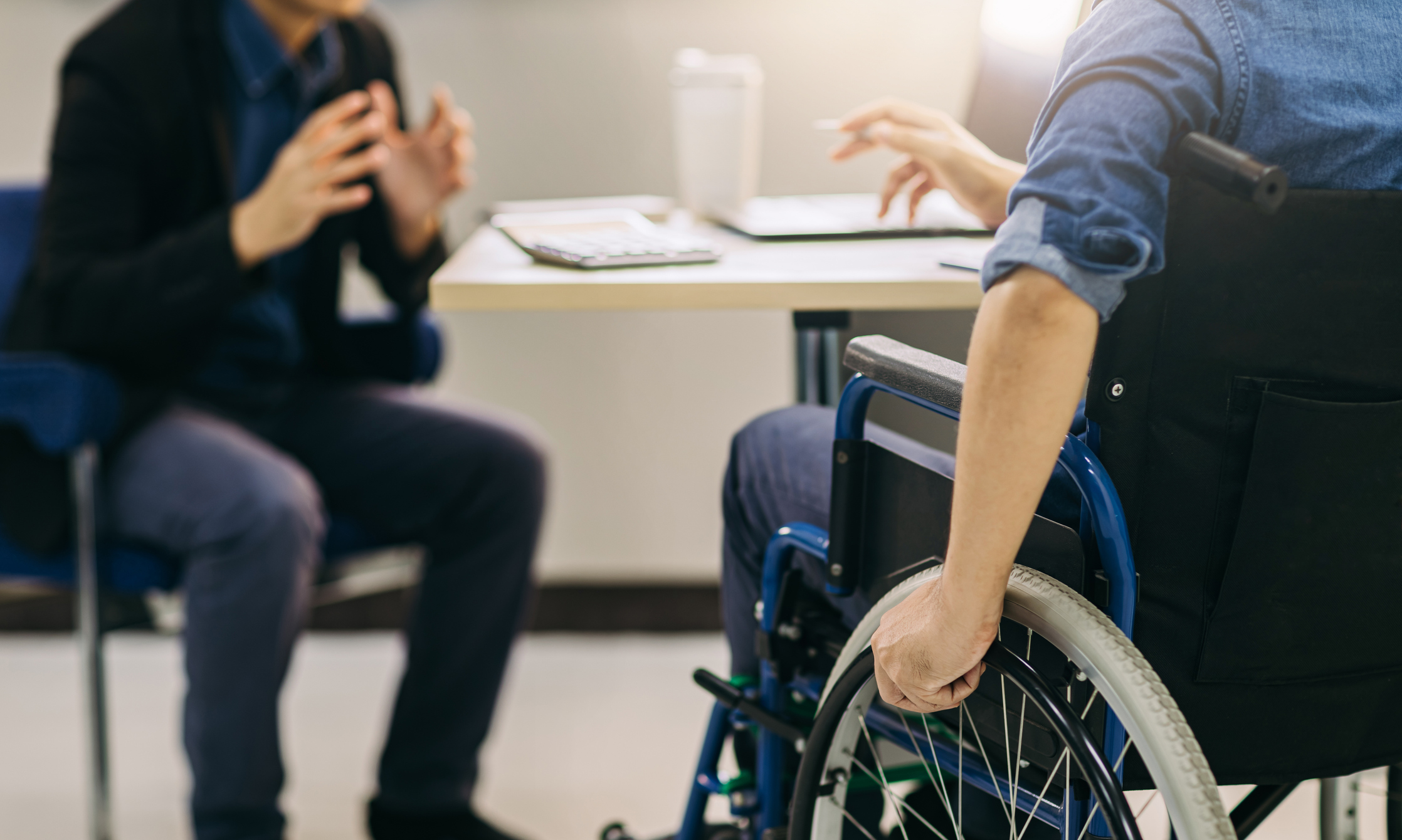
When someone is seriously injured in a motor vehicle collision in Ontario, one of the most important legal questions is whether the injuries meet the definition of a catastrophic impairment under the Statutory Accident Benefits Schedule. Catastrophic designation is the highest level of injury classification available in Ontario’s no-fault auto insurance system.
If an applicant is designated as catastrophic, then they are entitled to expanded benefits, including long-term medical and rehabilitation funding, attendant care, housekeeping, caregiver benefits, and more.
For many injured people, catastrophic status determines whether they can access the treatment and support they need to rebuild their lives. The critical to meet the definition of catastrophic is technical, evidence-based, and often disputed by insurers.
A person may qualify as catastrophically impaired if they meet any one of the eight categories under SABS s.3.1(1). These categories cover spinal cord injuries, severe mobility impairment, vision loss, traumatic brain injuries, whole person impairment calculations, and severe psychological disorders.
Below is a clear, accessible breakdown of the eight ways a person can qualify as catastrophically impaired in Ontario.
Paraplegia or Tetraplegia
This is a condition that applies when the accident causes serious spinal cord damage resulting in permanent paralysis.
- Paraplegia affects the lower half of the body, including both legs.
- Tetraplegia (also called quadriplegia) affects all four limbs and often the torso.
To qualify, the person must show specific neurological deficiencies, such as:
- Loss of motor function
- Loss of sensation
- Impaired bowel or bladder control
- Reliance on a wheelchair or mobility device
- Permanent inability to perform daily activities independently
Severe Impairment of Ambulatory Mobility or Use of An Arm or Amputation
This category captures orthopedic or neurological injuries that permanently affect mobility or limb function.
A person may qualify if they have:
- An amputation of an arm or leg
- Permanent loss of use of an arm
- A severe and long-term inability to walk independently
Loss of Vision in Both Eyes
This category applies when a person suffers permanent, measurable vision loss in both eyes. It includes:
- Complete blindness
- Severe reduction in visual acuity
- Major loss of peripheral vision
Traumatic Brain Injury in an Adult
A person may qualify for a traumatic brain injury if they have objective evidence of brain trauma on a CT or MRI, or if their functional impairment measured on standardized scales such as the Glasgow Outcome Scale – Extended (“GOSE”) meets or exceed a certain threshold. The functional impairment is evidenced by difficulty thinking, memory issues, behavioural changes, or impaired judgment.
Traumatic Brain Injury in a Child (Under 18) Meeting Child-Specific SABS Criteria
A child with a brain injury develops differently. A child would qualify if they were admitted to a trauma or rehabilitation centre after the accident, or they showed cognitive behavioural, or developmental impairments at 6, 9, or 12 month follow-ups.
Physical Impairments (or Combined Physical Impairments) Resulting in 55% or More Whole Person Impairment (WPI)
This category uses the AMA Guides to calculate a percentage representing the person’s overall physical impairment. A person may qualify if they have
- Multiple fractures
- Chronic pain layered on structural injuries
- Spinal injuries
- Nerve damage
- Significant loss of range of motion
- Gait abnormalities
- Extensive orthopedic hardware
Mental or Behavioural Impairment Combined with Physical Impairment Reaching 55% WPI
This category recognizes that physical injuries and psychological injuries interact. A person may qualify if their physical injuries alone do not reach 55%, but when combined with psychological impairments, the total impairment reaches the 55% threshold. This could be a mix of chronic pain, and trauma-related psychological disorders, as well as long-term disability due to combined symptoms.
Mental or Behavioural Disorder Causing Marked or Extreme Impairment
This category applies when a psychiatric condition severely disrupts daily functioning. A person may qualify for this criterion if they have Class 4 (marked) impairment in three or more functional areas, or Class 5 (extreme) impairment in one area. Functional areas include social functioning, activities of daily living, concentration, persistence, and pace, ability to adapt to work-like environments. People that meet this criterion are unable to function independently or safely in daily life.
Frequently Asked Questions
- What is a catastrophic impairment under the SABS?
A catastrophic impairment is the most severe classification of injury under Ontario’s auto insurance laws. It applies to people whose injuries are permanent, life-altering, and significantly impact their ability to function.
- Do I need to meet all eight categories?
No. You only need to meet one of the eight criteria to qualify.
- How do I start the catastrophic impairment qualification process?
A team of medical professionals must complete an OCF-19 form and submit it to the insurer.
- Why do insurers dispute catastrophic claims?
As catastrophic status unlocks up to $1,000,000.00 in benefits, insurers frequently challenge medical evidence, psychological diagnosis, imaging results and impairment calculations.
- How long does the process take?
It varies. Some cases resolve within months; others require multiple assessments and may take years, especially if a LAT hearing is needed.
- Does catastrophic designation affect my tort claim?
Catastrophic designation applies to accident benefits, not tort claims. However, the severity of injuries that qualify for catastrophic designation often strengthens the tort case.
- Do I need a lawyer?
Given the severity and stakes, legal representation is highly recommended. Catastrophic cases involve complex medical evidence, technical criteria, and frequent insurer disputes.
If you have been involved in an incident causing you injury, it is always best to consult a professional lawyer who has experience arguing these types of claims to protect your interests. Please contact our team at JEWELL RADIMISIS JORGE LL.P for a free initial consultation at 1 (844) DIAL JRJ.