

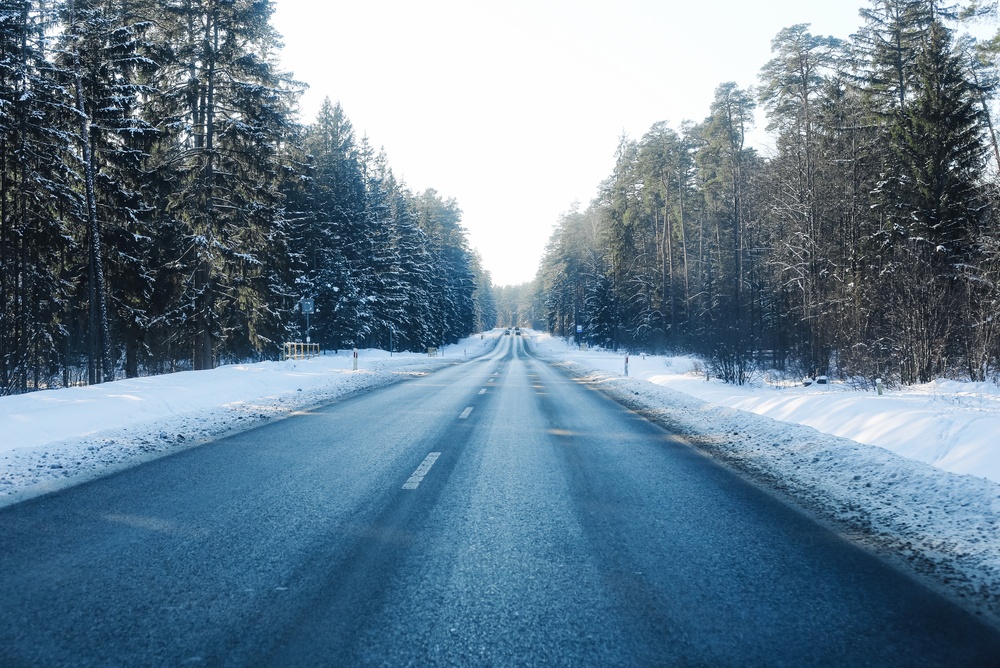
As November progresses, motorists across Ontario face a critical transition period characterized by sudden drops in temperature, morning frost, and unpredictable rain or snow. In November, roads can look clear on top but hide serious dangers underneath. This instantly turns a normal morning drive into a risky situation. Drivers who do not change their driving habits to match these early winter conditions often find themselves held responsible if a collision happens. Knowing about these seasonal risks helps keep you safe on the road and protects your legal rights if something goes wrong.
One of the biggest hidden dangers during late autumn and early winter is black ice. This is a very thin and clear layer of ice that forms when moisture on the pavement freezes quickly. Because it is clear, it often blends right into the dark asphalt so you cannot see it coming. Bridges and overpasses are especially dangerous spots. Cold air flows both over and under these elevated roads, which causes them to freeze long before regular ground-level streets. You might be driving on completely normal pavement and then lose all control the moment you drive up onto an overpass. Shaded areas near tall trees or buildings also hold onto frost much longer than open sunny spaces. This catches drivers completely off guard.
Failing leaves bring bright colours to our neighbourhoods, but they also create serious slipping and sliding hazards for cars. When a morning frost settles on top of a thick pile of wet leaves, it creates a surface that is almost as slippery as solid ice. If you brake hard, speed up too fast, or turn sharply over wet leaves, your vehicle can easily slide out of control. This often leads to single-car crashes or multi-vehicle pileups on busy streets. Local towns and cities try to clear roads, but drivers need to be extra careful on leaf-covered residential streets during the early morning hours.
The end of daylight saving time means our evening drives now happen in total darkness. At the same time, morning commutes often line up with harsh low-angle sun glare. When you add frost-covered windshields that have not been scraped properly, visibility drops drastically. Drivers must allow extra time in the morning to thoroughly clean their windows and defrost their vehicles before entering traffic. Rushing with a tiny peephole scraped into the windshield dramatically increases the chance of missing a pedestrian or another vehicle.
Furthermore, vehicles handle differently when temperatures drop below freezing. Tire pressure decreases as the air gets colder, which reduces traction and handling capabilities. Drivers should check their tire pressure regularly and ensure their tread depth is sufficient for winter roads. Braking distances also increase significantly on cold or damp pavement. Maintaining a much larger following distance behind the vehicle in front of you gives you the extra reaction time needed to stop safely without skidding. Being proactive and respectful of these changing environmental factors is the best way to prevent accidents before they occur.
Preparing your vehicle and your mindset for these seasonal changes protects everyone sharing the highway. Local authorities emphasize defensive driving routines whenever seasonal storms or sudden freezes arrive unexpectedly. By checking your vehicle systems and staying aware of changing forecasts, you reduce the likelihood of road incidents. Responsible driving practices remain your best protection against unpredictable weather hazards. When unexpected collisions do occur, gathering proper evidence and understanding your legal rights helps ensure fair compensation for any losses or injuries sustained during your daily travels throughout the late autumn season.
Frequently Asked Questions
Am I automatically at fault if I skid on black ice and cause a collision?
Not necessarily. Under Ontario negligence law, drivers are expected to drive carefully according to the weather and road conditions around them. However, if black ice formed suddenly in an area with no warning signs or if another party failed to maintain the road properly, liability may be shared or contested. An experienced personal injury lawyer can investigate road maintenance records and weather data to help establish who is truly at fault.
What should I do immediately after being involved in an early winter collision?
Your absolute first priority is safety. Move your vehicle to a safe spot if possible and call emergency services right away if anyone is hurt. Once everyone is safe, take time to document the scene thoroughly. Take clear photos of the road surface, any ice or leaf buildup, vehicle damage, and surrounding street signs. Collect contact details from any witnesses and exchange insurance information with the other driver. Make sure you avoid admitting fault or guessing about the cause of the collision while at the scene.
How does insurance handle weather-related motor vehicle collisions?
In Ontario, accident benefits are available through your own auto insurance policy no matter who caused the crash. These benefits help pay for your medical treatments and rehabilitation. However, if you want to file a tort claim for damages, you will have to sue the at-fault party. In the tort claim, the lawyers will look closely at whether you drove with reasonable care given the visible weather conditions. A review of the police reports, weather logs, and photos will be completed to decide if you or the other party was negligent.
If you have been involved in an incident causing you injury, it is always best to consult a professional lawyer who has experience arguing these types of claims to protect your interests. Please contact our team at JEWELL RADIMISIS JORGE LL.P for a free initial consultation at 1 (844) DIAL JRJ.