

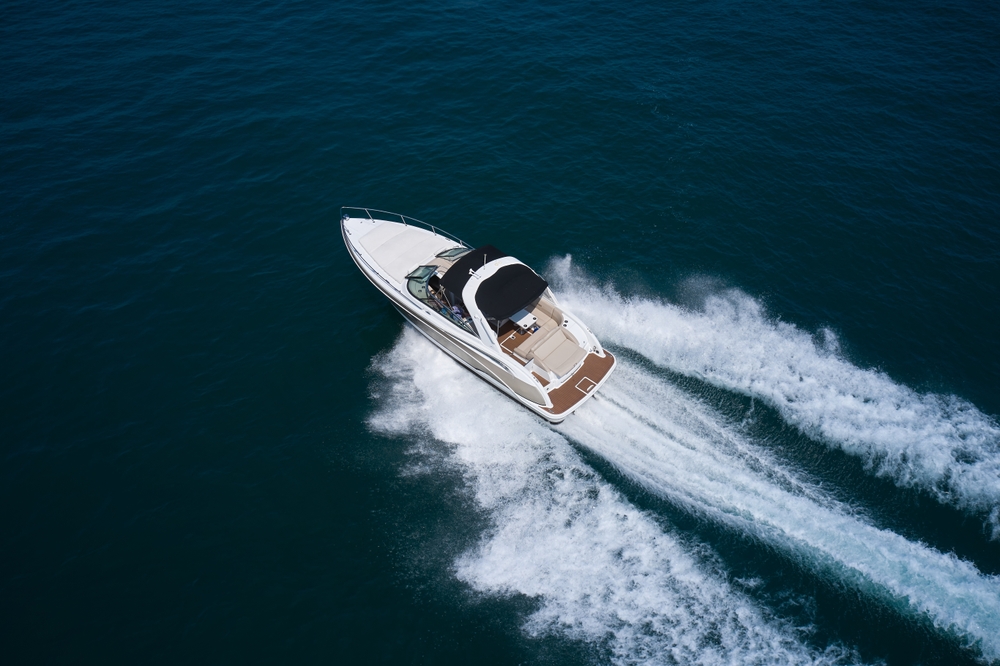
Ontario’s lakes and rivers are some of the most beautiful in the country. Every summer, families head out on the water to fish, paddle, swim, and enjoy the warm weather. For many people, time on the water is the highlight of the season. There can be serious consequences that follow when safety rules are ignored. Water-related injuries can be devasting, and many of them occur in situations that could have been prevented with a bit more caution and preparation.
Why Water Safety Matters More Than People Realize
Ontario’s waterways attract millions of visitors each year. With that popularity comes increased risk. Boaters may be inexperienced, distracted, or unfamiliar with the area. Weather can change quickly, and water conditions can shift without warning. Alcohol consumption is also a significant factor in many boating incidents. Unlike road collisions, water related emergencies often unfold in remote areas where help takes longer to arrive. A simple mistake can escalate quickly.
Drowning remains one of the leading causes of accidental death in Ontario. Many of these tragedies occur to shore or in calm water. The common thread in many cases is a lack of preparation or a false sense of security. Understanding the risks and following basic safety rules can make the difference between a relaxing day on the water and a life altering event.
Essential Safety Rules for Ontario Waters
Wear a Proper Life Jacket
A life jacket is the single most important piece of safety equipment on the water. Ontario law requires that every boat carry a life jacket for each person on board, but wearing it is what saves lives. Many drowning victims had a life jacket within reach but not on their body. Choose a jacket that fits properly and is approved for use in Canada.
Avoid Alcohol While Boating
Alcohol impairs judgment, balance, and reaction time. Operating a boat under the influence is not only dangerous but also illegal. Alcohol is a factor in a significant number of boating fatalities in Ontario.
Know the Weather Before You Leave
Weather on Ontario lakes can change quickly. A clam morning can turn into a dangerous afternoon. Check the forecast before heading out and keep an eye on the sky. If you see dark clouds forming or the wind begins to shift, return to shore.
Understand Navigation Rules
Boaters must know the rules of the water. This includes right of way, safe passing, distances, and proper lighting at night. Many collisions occur because one operator assumed the other would move. Clear understanding of navigation rules prevent confusion and reduces the risk of impact.
Operate at a Safe Speed
High speeds reduce reaction time and increase the severity of injuries in a collision. Slow down near shorelines, docks, swimmers, and other boats. Many of Ontario waterways have posted speed limits, and enforcement officers regularly patrol busy areas.
Supervise Children Closely
Children should always wear life jackets near or on the water. Even strong swimmers can get into trouble quickly. Never assume a child is safe simply because the water is shallow or calm.
Understanding Liability on Ontario Waters
Boating incidents fall under the same principles of negligence that apply on land. Operators have a duty to act responsibly and follow safety rules. When someone falls to meet that duty and causes harm, they may be held legally responsible.
At Fault Party in a Water-Related Injury Claim
The at fault party in a water-related injury claim focuses on holding the negligent party responsible for the harm that they caused. This may involve a boat operator, a rental company, or another individual who failed to act safely. Through a tort claim, an injured person may seek compensation for pain and suffering, loss of income, medical expenses, and future care needs. To succeed, the injured person must show that the other party failed to meet a reasonable standard of care. Evidence such as witness accounts, photographs, expert reports, and police records often plays a central role. The process can be complex, but it is often the only way for someone with serious injuries to be fully compensated.
What to Do After a Water-Related Injury
If an incident occurs, call for help immediately. Move the injured person to safety if possible and provide first aid. Document the scene with photographs and gather witness information. Report the incident to the appropriate authorities, Finally. Speak with a personal injury lawyer who understands Ontario water safety laws. Early legal advice can help protect your rigts and ensure that important evidence is preserved.
Frequently Asked Questions
What are the most common causes of boating incidents in Ontario?
Many incidents involve operator inattention, excessive speed, alcohol use, or failure to follow navigation rules. Weather changes and mechanical issues also contribute. A large number of injuries when boaters fall overboard or when boats collide due to poor visibility or miscommunication.
Do I have to wear a life jacket in Ontario?
You are not legally required to wear a life jacket, but one must be available for every person on board. However, wearing it is strongly recommended. Many drowning victims had a life jacket nearby but not on their body. A properly fitted life jacket is one of the most effective ways to prevent serious injury or death.
Can I be charged for operating a boat while impaired?
Yes. Ontario treats impaired boating the same way it treats impaired driving. Penalties can include fines, licence suspension, and even jail time. Alcohol is a major factor in many boating fatalities, and avoiding it is one of the simplest ways to stay safe.
Who is responsible if a boating collision occurs?
Responsibility depends on the circumstances. If a boat operator was speeding, distracted, or ignoring navigation rules, they may be found negligent. In some cases, responsibility is shared between multiple parties. A personal injury lawyer can review the facts and determine who may be liable.
When should I contact a personal injury lawyer after a water related injury?
It is best to contact a personal injury lawyer as soon as possible. Early legal advice helps protect your claim, ensures that deadlines are met, and allows important evidence to be preserved. A lawyer can explain your rights and guide you through the process of seeking compensation.
If you have been involved in an incident causing you injury, it is always best to consult a professional lawyer who has experience arguing these types of claims to protect your interests. Please contact our team at JEWELL RADIMISIS JORGE LL.P for a free initial consultation at 1 (844) DIAL JRJ.
Tips Post - Canada Day Long-Weekend Safety Tips
The Canada Day is one of the busiest and most enjoyable times of summer, but it is also a day when preventable injuries tend to rise. A little planning can make a big difference.
- Start by planning your route, and give yourself extra time on the road.
- Keep your focus on driving and avoid distractions, especially with heavier traffic.
- If you are heading out on the water, make sure everyone wears a life jacket and follow basic water safety.
- Skip alcohol if you are driving or boating and choose safer habits.
- Fireworks should be handled by adults only, and always in open areas with proper firework safety in mind. Keep children within arm’s reach near water and follow child water safety guidelines.
If you have been involved in an incident causing you injury, it is always best to consult a professional lawyer who has experience arguing these types of claims to protect your interests. Please contact our team at JEWELL RADIMISIS JORGE LL.P for a free initial consultation at 1 (844) DIAL JRJ.