

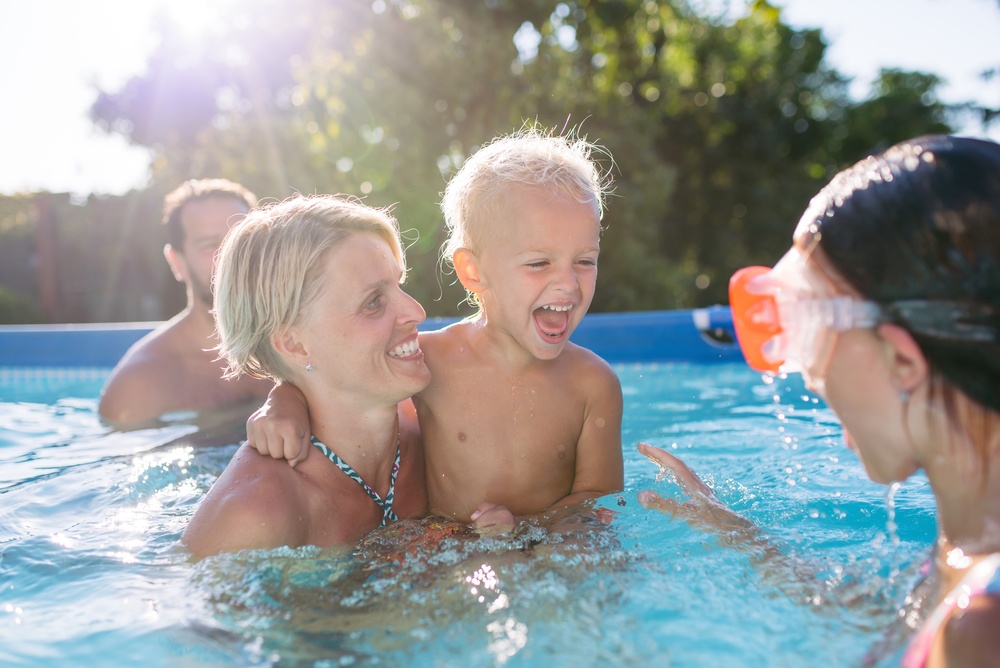
Swimming is an activity enjoyed by many families, yet it presents risks that require thoughtful attention and a clear understanding of how quickly circumstances can change when children are near water. Drowning remains one of the leading causes of death for children between the ages of one and four, and this reality underscores the importance of consistent supervision, secure environments, and proper education. From a legal and safety perspective, the most effective approach involves a combination of vigilance, preparation and informed decision making that together create a safer experience for young swimmers.
Children must be supervised at all times when they are in or near water, regardless of their age or perceived comfort level. Even shallow water can pose a danger, and incidents often occur quietly, without any of the dramatic signs that people remain within arm’s reach of an adult, as this proximity allows caregivers to intervene immediately if a child loses balance, becomes disoriented or encounters difficulty.
Floation devices are widely used, yet they do not replace the need for active supervision. Although these productions may assist with buoyancy, they are not designed to prevent drowning, and they may shift unexpectedly or fail to keep a child in a safe position. In some cases, flotation devices can create a false sense of security for both children and adults, leading to reduced attention at moments when vigilance is most needed.
Teaching children about water safety is an important step in reducing risk and swimming lessons provide valuable instruction on how to move safely in water, how to float, and how to respond if they encounter difficulty. Adults may also benefit from first aid training, which equips them with essential skills for managing emergencies and supporting injured individuals until professional assistive devices arrive. Choosing safe swimming locations is equally important. Public pools and supervised beaches offer controlled environments, and municipalities often issue notices regarding water quality, undertow strength, or other hazardous conditions that may influence safety.
Backyard pools require additional precautions because they present risks even when the water is shallow. Children can drown quickly and quietly, sometimes in only a few centimeters of water, which is why access to all water sources should be secured when an adult is not present. A fence should surround the pool and meet municipal requirements and gates should be self-closing and self-latching, and are out of reach of children. Toys and objects that children could climb should be kept away from fences, and a safety cover should be used when the pool is not in operation.
Emergency preparation is essential for any environment that includes water. Lifesaving equipment such as a safety ring with a rope should be kept near the pool, and a first aid kit should be accessible at all times. Emergency contact numbers should be posted near the closet telephone so that assistance can be requested without delay. These measures ensure that caregivers are prepared to respond quickly if an incident occurs.
After swimming, the area should be cleaned and secured to reduce temptation for children to approach the water unsupervised. Toys should be removed from the pool and surrounding area, and safety covers should be placed on the pool when it is not in use. These steps help maintain a safe environment and reduce the likelihood of accidental access.
Frequently Asked Questions
Why is constant supervision necessary even in shallow water?
Supervision is essential because drowning can occur in a very short period of time and often without any noticeable sound. Children may lose balance, become disoriented or slip beneath the surface without attracting attention. Shallow water does not eliminate risk. Even a small amount of water can obstruct breathing.
Are flotation devices reliable for preventing drowning?
Flotation devices are not designed to prevent drowning. They may assist with buoyancy, but they do not replace the need for active supervision. Some devices may shift unexpectedly or fail to keep a child in a safe position. They can also create a false sense of security for both children and adults.
What steps should parents take before allowing children to swim?
Parents should ensure that children understand basic water safety principles. They should confirm that the swimming area is supervised and that environmental conditions are safe. Children who are inexperienced swimmers should wear an approved lifejacket or personal floatation device. Parents should also verify that emergency equipment is available and that they know how to respond if an incident occurs.
How can backyard pools be made safer for children?
Backyard pools should be enclosed by a fence that meets municipal requirements. Gates should be self-closing and self-latching, with latches placed out of reach of children. Toys and objects that children could climb should be kept away from the fence. A safety cover should be used when the pool is not in operation. Lifesaving equipment and emergency contact numbers should be kept nearby.
Why do drowning incidents often occur quietly?
Drowning does not typically involve splashing or loud calls for help. Children may be unable to signal distress or may lose consciousness quickly. This quiet nature is one reason why supervision must be continuous and attentive. Caregivers should remain within arm’s reach of young children and inexperienced swimmers.
What role does swimming instruction play in preventing injuries?
Swimming instruction helps children understand how to move safely in water, how to float, and how to respond if they encounter difficulty. Instruction also teaches respect for water and awareness of potential hazards. While lessons do not eliminate risk, they provide valuable skills that support safer behaviour. Adults may benefit from first aid training to ensure they can respond effectively in emergencies.
Can environmental conditions affect swimming safety?
Yes. Water quality, undertow strength, temperature and visibility can all influence safety. Municipalities often issue notices regarding pollution levels or hazardous conditions. Parents should review these notices before allowing children to swim. Choosing supervised locations reduces the likelihood of encountering unexpected environmental risks.
What emergency equipment should be kept near a pool?
A safety ring with a rope, a first aid kit, and a telephone number for emergencies should be kept near the pool. These items allow caregivers to respond quickly if an incident occurs. Equipment should be inspected regularly to ensure it remains in good condition.
If you have been involved in an incident causing you injury, it is always best to consult a professional lawyer who has experience arguing these types of claims to protect your interests. Please contact our team at JEWELL RADIMISIS JORGE LL.P for a free initial consultation at 1 (844) DIAL JRJ.